
#1 Trusted, Reliable, Local Roofer
EMERGENCY ROOF REPAIRS
Providing Reliable & Trusted Residential & Commercial New Roof, Roof Installation & Roof Repairs.
We have expert roofers with over 25 years of experience.We are licensed and insured
GET YOUR FREE QUOTE TODAY!!
Emergency Roof Repairs: A Comprehensive Guide for Homeowners and Building Owners
Emergency roof repair is a critical service provided by professional roofing contractors to address urgent issues that may compromise the integrity and safety of a building. These repairs are typically required when a roof experiences sudden damage due to severe weather events, such as a bad storms, heavy rainfall, or high winds, or other unexpected incidents like falling tree branches or fire. Providing emergency roofing services ensures the safety and security of occupants and property by quickly assessing the damage and providing temporary solutions.. Homeowners and building owners should know the importance of timely emergency services and know how to contact a reputable roofing contractor to address these urgent situations efficiently and effectively.
Importance of Addressing Roofing Emergencies
The roof of a building must be protected from the elements so that its residents are comfortable and feel safe without worry. Roofing emergencies can arise from various causes, such as severe weather events, structural damage, or material deterioration. Taking immediate action is vital to prevent further damage to the building’s roof structure, as well as to protect its integrity and the occupants’ safety while living and working inside the building. This essay will discuss the importance of addressing roofing emergencies, the potential consequences of neglecting these issues, and the benefits of timely intervention by professional roofing contractors.
The Need for Prompt Attention
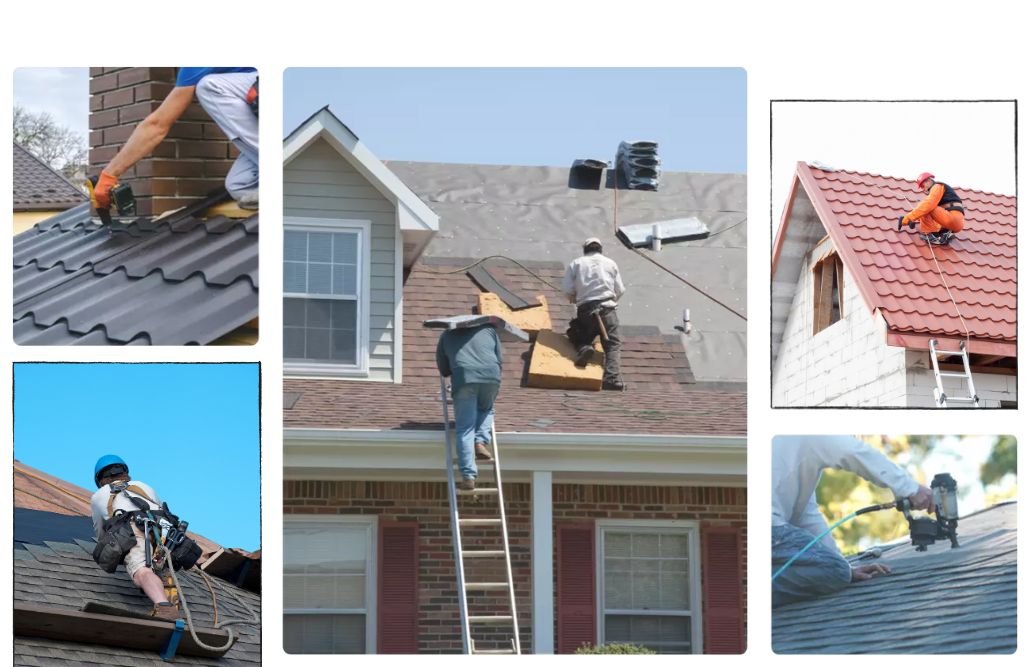
Roofing emergencies can occur at any time and are often unpredictable. When severe weather events occur, such as extensive storm damage, heavy rainfall, hail storms, or high-speed winds, roofs may get damaged, resulting in leaks, structural damage, and even roof deck collapse. Other causes of roofing emergencies may include falling tree branches, fire, or material deterioration due to age or poor maintenance. Regardless of the cause, addressing these issues promptly is crucial to minimize the extent of the damage and protect the building and its occupants.
Consequences of Neglecting Roofing Emergencies
It is important to address roofing emergencies promptly to avoid several negative consequences, including:
A faulty roof can worsen over time, resulting in more extensive damage that may require expensive repairs or even a complete roof replacement.
Structural Damage
Water infiltration from a damaged roof can weaken the building’s structure, causing damage to walls, ceilings, and the foundation. This can compromise the building’s stability and safety.
Mold and Mildew Growth
Buildings with leaks can develop mold and mildew, which can pose health risks to the occupants.
Higher Energy Costs
Having a damaged roof can increase heating and cooling costs, since the building is unable to maintain a comfortable temperature due to poor insulation.
Decreased Property Value
A neglected roof can significantly reduce the value of a property, making it less attractive to potential buyers or renters.
Benefits of Timely Intervention
Addressing roofing emergencies promptly offers several benefits, including:
Minimizing The Damage
Quick action can help contain the damage, preventing it from spreading to other parts of the building and reducing repair costs.
Protecting The Building’s Integrity
You can maintain a building’s structural integrity by timely repairs, ensuring its safety and longevity.
Preventing Health Hazards
Addressing roofing emergencies can help prevent the growth of mold and mildew, protecting the health of the building’s occupants.
Maintaining Property Value
A well-maintained roof contributes to the overall value of a property and can help attract potential buyers or renters.
Preserving The Building’s Appearance
Timely repairs can help maintain the building’s aesthetic appeal, preventing unsightly damage or deterioration.
Addressing roofing emergencies is of paramount importance to protect the safety, integrity, and value of a building. Timely intervention by professional roofing contractors can help minimize damage, prevent further issues, and maintain the building’s appearance and functionality. Building owners and homeowners should be aware of the potential consequences of neglecting roofing emergencies and prioritize prompt action when faced with such situations.
Consequences of Neglecting Emergency Roof Repairs
Roofs serve as the primary barrier against the elements and ensure the safety and comfort of building occupants. Emergency roof leak repairs are necessary when a roof experiences sudden damage due to severe weather, structural issues, or material failure. Neglecting these severe damages can have serious consequences for the building and its inhabitants. This essay will explore the various consequences of neglecting roof repair emergency situations and highlight the importance of timely intervention by professional roofing contractors.
Effects of Waiting Too Long for Roof Repairs
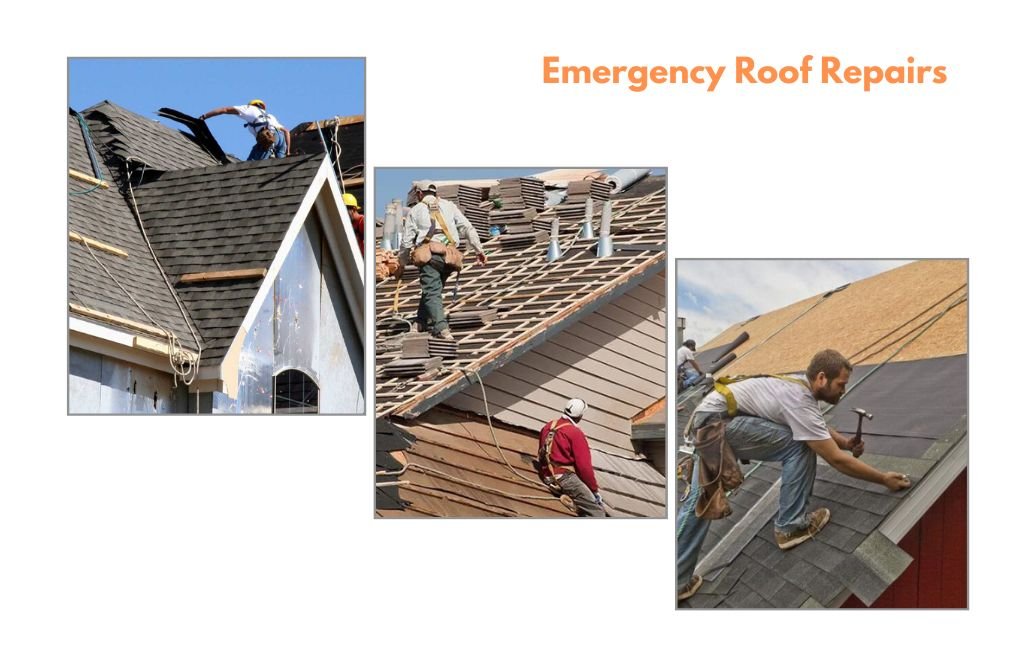
Further damage to the roof: Ignoring the need for emergency roof services can exacerbate the existing damage, leading to more extensive and costly repairs in the future. When a small leak persists, it can lead to further damage to the roof structure and other building components.
Structural Deterioration
Water intrusion from a damaged roof can weaken the building’s structure, causing damage to walls, ceilings, and the foundation. Buildings that sustain significant damage may become unstable over time, posing a threat to the safety of their occupants and potentially resulting in partial or total collapses.
Mold and Mildew Growth
Leaving leaks unresolved can lead to the growth of mold and mildew within the building, posing health risks to its occupants, especially those suffering from allergies or respiratory issues. Mold and mildew growth can also damage the building materials, leading to further structural damage and costly remediation efforts.
Higher Energy Costs
Due to compromised insulation, a damaged roof can increase heating and cooling costs as the building becomes less able to maintain a comfortable temperature. This can result in higher energy bills and a larger carbon footprint for the building.
Decreased Property Value
A neglected roof can significantly reduce the value of a property, making it less attractive to potential buyers or renters. There may be times when a damaged roof makes a property uninhabitable or unsellable.
Pest Infestations
A damaged roof can provide easy access for pests like rodents, insects, and birds to enter the building..
Roof Liability Issues
In case of injuries or damage caused by a neglected roof, the owner of the property may be liable. This can include injuries to occupants or visitors, as well as damage to neighboring properties due to water intrusion or falling debris.
Voided Rooftop Warranties
Failing to address emergency roof repairs on time may void any existing warranties on the roofing materials or workmanship. Consequently, any repairs or replacements may be your responsibility.
Neglecting emergency roof services can lead to a wide range of negative consequences, including further damage to the roof and building structure, health hazards, increased energy costs, decreased property value, pest infestations, liability issues, and voided warranties. To avoid these consequences, it is essential to address roofing emergencies promptly and engage the services of professional roofing contractors. If a building’s integrity and safety are safeguarded early, damage can be minimized, as well as the occupants’ safety and wellbeing.
Common Causes of Roofing Emergencies
Severe Weather Events
Homes and businesses can sustain significant damage from severe weather events, like heavy storms, high winds, hail, and heavy rain. Buildings’ roofs are most vulnerable during such events, since they carry the brunt of the weather’s effects. Roofing emergencies caused by severe weather can lead to costly repairs, potential safety hazards, and disruption to daily life. Understanding the risks and how to respond to roofing emergencies can help property owners minimize damage and ensure the safety and integrity of their buildings.
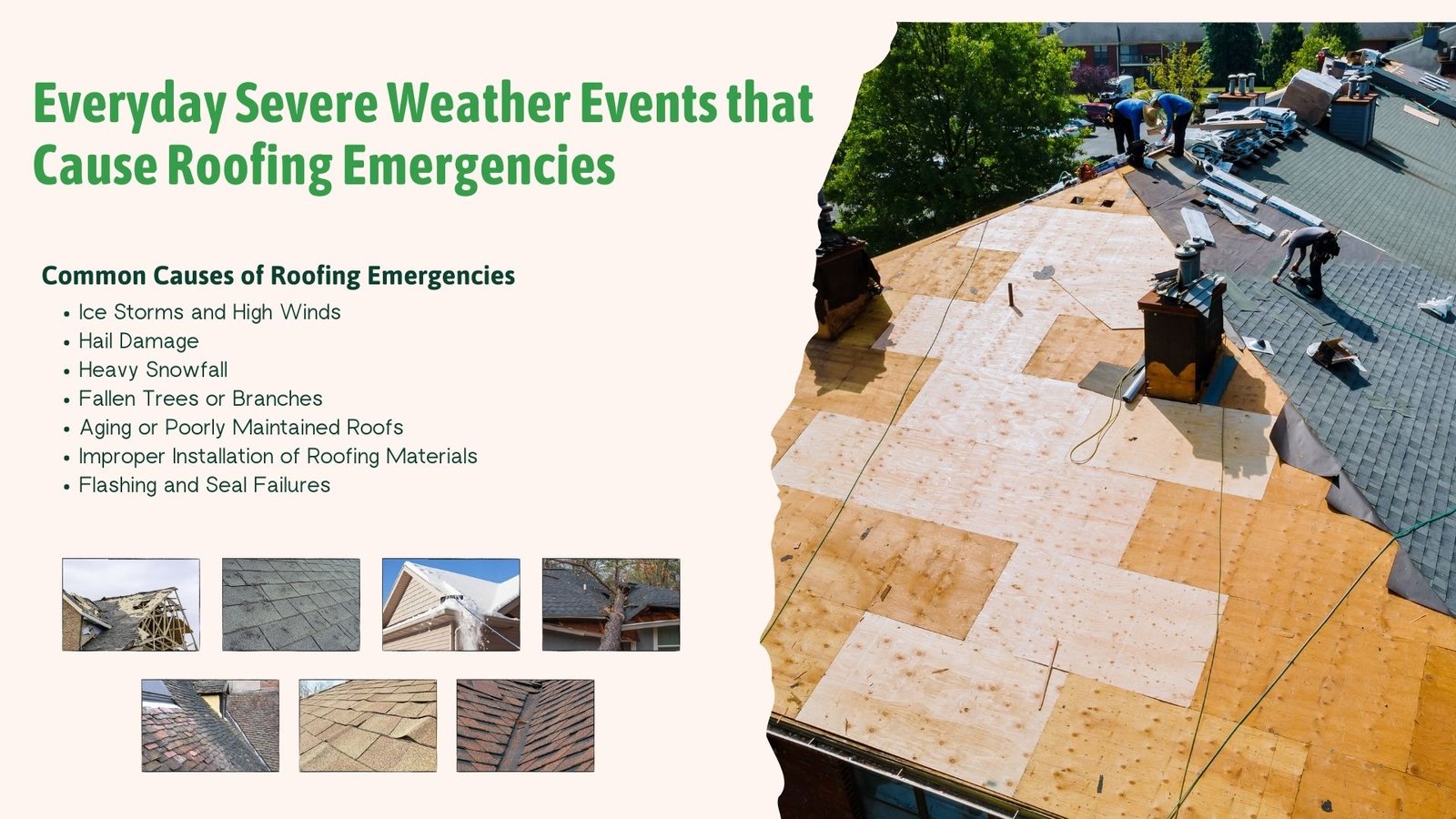
Everyday Severe Weather Events that Cause Roofing Emergencies
- Ice Storms and High Winds
- Hail Damage
- Heavy Snowfall
- Fallen Trees or Branches
- Aging or Poorly Maintained Roofs
- Improper Installation of Roofing Materials
- Flashing and Seal Failures
High Winds
Strong wind gusts can cause shingles or roofing materials to become loose, damaged, or completely torn off. This can expose the underlying roof structure and lead to leaks, water damage, and potential structural issues.
High winds can create an emergency repair need on your roof in several ways:
Wind can tear off shingles, exposing the roof to water intrusion and other elements.
High winds can bring along debris, such as tree branches or other objects, that can hit the rooftop and cause damage.
Uprooted trees can fall onto the roof, causing structural damage to the property.
Poor installation and compromised roof shingles can make the roofing susceptible to wind damage.
In the event of wind damage, taking immediate action is crucial to prevent further damage. Some emergency roof services tips include documenting the damage with photos for insurance purposes, hiring a local roofing contractor for inspection, and contacting your insurance company to initiate a claim.
Hail Damage
Hailstones can vary in size, but even small hailstones can cause significant damage to roofing materials. Hail can crack, dent, or puncture shingles, tiles, or metal roof, leading to leaks and potential extensive water damage inside the building.
Hail storms can create a 24-hour emergency roof repair service need in several ways:
Hailstones can cause significant damage to roofing materials, such as shingles or tiles, by cracking, denting, or puncturing them, leading to water intrusion and other issues.
The impact of hailstones can lead to granular loss on asphalt shingles, reducing their lifespan and effectiveness.
Hail damage can worsen pre-existing roof damage, leading to more extensive repairs or even total roof replacement.
Hailstorms often bring high winds, which can cause debris like tree branches to impact the roof, leading to further damage.
It is crucial to act immediately following hail damage, such as:
- Documenting The Damage for Insurance Purposes
- Hiring a Professional Roofing Contractor for Inspection
- Contacting Your Insurance Company to Initiate a Claim
Excess water can lead to leaks, structural damage, and even roof collapse if the weight becomes too great.
Heavy rain can cause circumstances for an emergency roof repair expert in several ways:
Water spots on ceilings and walls can result from various factors, such as:
- Hurricanes
- Heavy rain
- Hailstorms
often requiring the completion of an emergency roof repair appointment.
Constant strong winds accompanying heavy rain can damage or even blow away roof shingles, leading to the need for an emergency roof contractor to handle your immediate needs.
Roof leaks in heavy rain can be caused by rusted or cracked roof flashing, leading to water intrusion and damage.
Ponding water due to improper roof design can cause leaks during heavy rain, requiring emergency water removal repairs.
It is vital to act immediately after heavy rain to prevent further damage, including documenting the damage for insurance purposes, contacting your insurance company, and hiring a professional roofing contractor to inspect the damage
Falling Trees and Debris
Severe weather events can cause trees and other debris to fall onto roofs, causing significant damage to the roofing materials and underlying structure. This can result in punctures, cracks, and even structural collapse in extreme cases.
Trees and debris falling on roofs can cause a number of problems, which may require an emergency roof response plan:
Structural Destruction
Broken or cracked rafters, cracked shingles, and even damage to the walls and foundation of the house can result from a fallen tree..
Roof Punctures and Leaks
Falling branches and debris can puncture the roof, leading to leaks and water intrusion, which can cause further damage to the house’s interior.
Damaged Gutters and Downspouts
Debris can accumulate in drains and downspouts during a storm, causing clogs and preventing proper drainage. This flooding can lead to water spots damage that the homeowner can handle as a DIY emergency roof repair.
Increased Risk of Mold and Rot
It’s critical to act quickly and do water removal to prevent further intrusion from roof damage caused by falling trees and debris can lead to mold and rot growth in the attic and other house areas.
The immediate action you need to take when trees and debris fall on your roof is to collect evidence for insurance claims, hire a professional roofing contractor to inspect the roof, and call your insurance company to file a claim.
Responding to Roofing Emergencies
Safety First
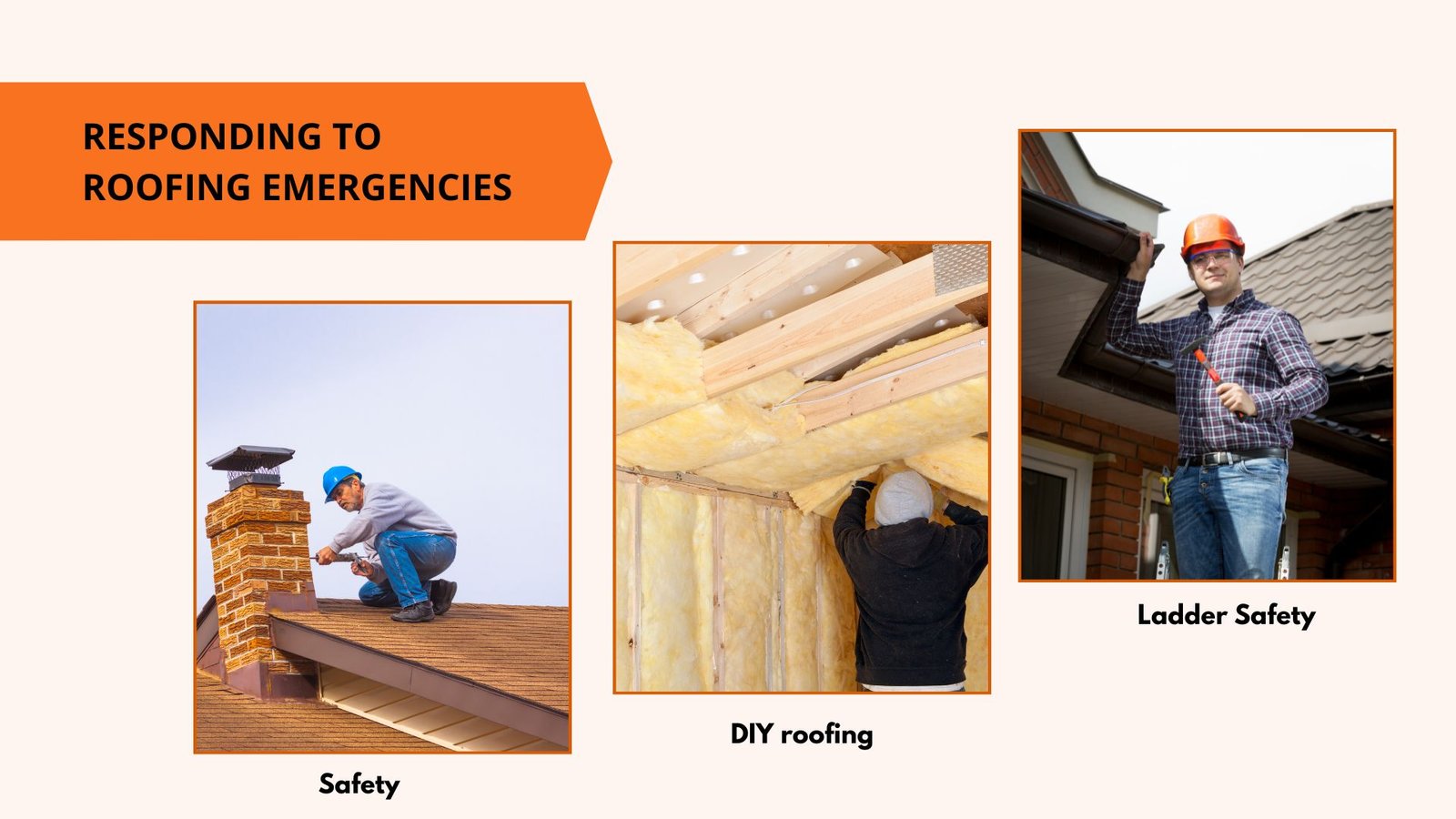
In a roofing emergency, prioritize the safety of the building’s occupants. Evacuate the building if necessary and avoid entering areas where the roof appears unstable or compromised.
Roofers can implement several safety strategies when performing residential emergency roof response service requests.
Avoid DIY Repairs
Roofers should advise homeowners against attempting DIY repairs, as they pose a risk to both the homeowner and the insurance coverage.
Ladder Safety
Ensure ladders are secure, correctly positioned, and inspected for defects before use.
Electrical Safety
Roofers should be aware of electrical hazards, such as working near power lines or handling electrical equipment, and take necessary precautions.
Weather Considerations
Roofers should avoid working in adverse weather conditions, such as:
- Heavy Rain
- High Winds
- Lightning
which can increase the risk of accidents.
Training and Communication
Roofers should receive proper safety procedure training and maintain clear communication with their team to ensure everyone is aware of potential hazards.
Assess the Damage
Once it is safe to do so, assess the extent of the damage to the roof. This can help determine the appropriate action and provide valuable information to insurance providers and roofing professionals.
Roofers follow several procedures to assess the damage during emergency roof situations.
Visual inspection: Roofers thoroughly inspect the roof to identify damages such as:
- Missing or Damaged Shingles
- Roof Lining Punctures
- Visible Signs of Water Intrusion
Interior Inspection
Roofers may also inspect the attic and interior spaces for signs of water damage, such as:
- Water Spots
- Mold
- Rot
During an interior inspection after a roof emergency, roofers typically look for the following:
Water Stains
Roofers check the interior ceilings and walls for water stains, which can indicate roof leaks and water damage.
Rot and Mold
Roofers inspect for signs of rot and mold in the attic space, ceilings, and walls, which may result from water intrusion caused by roof damage.
Structural Weaknesses
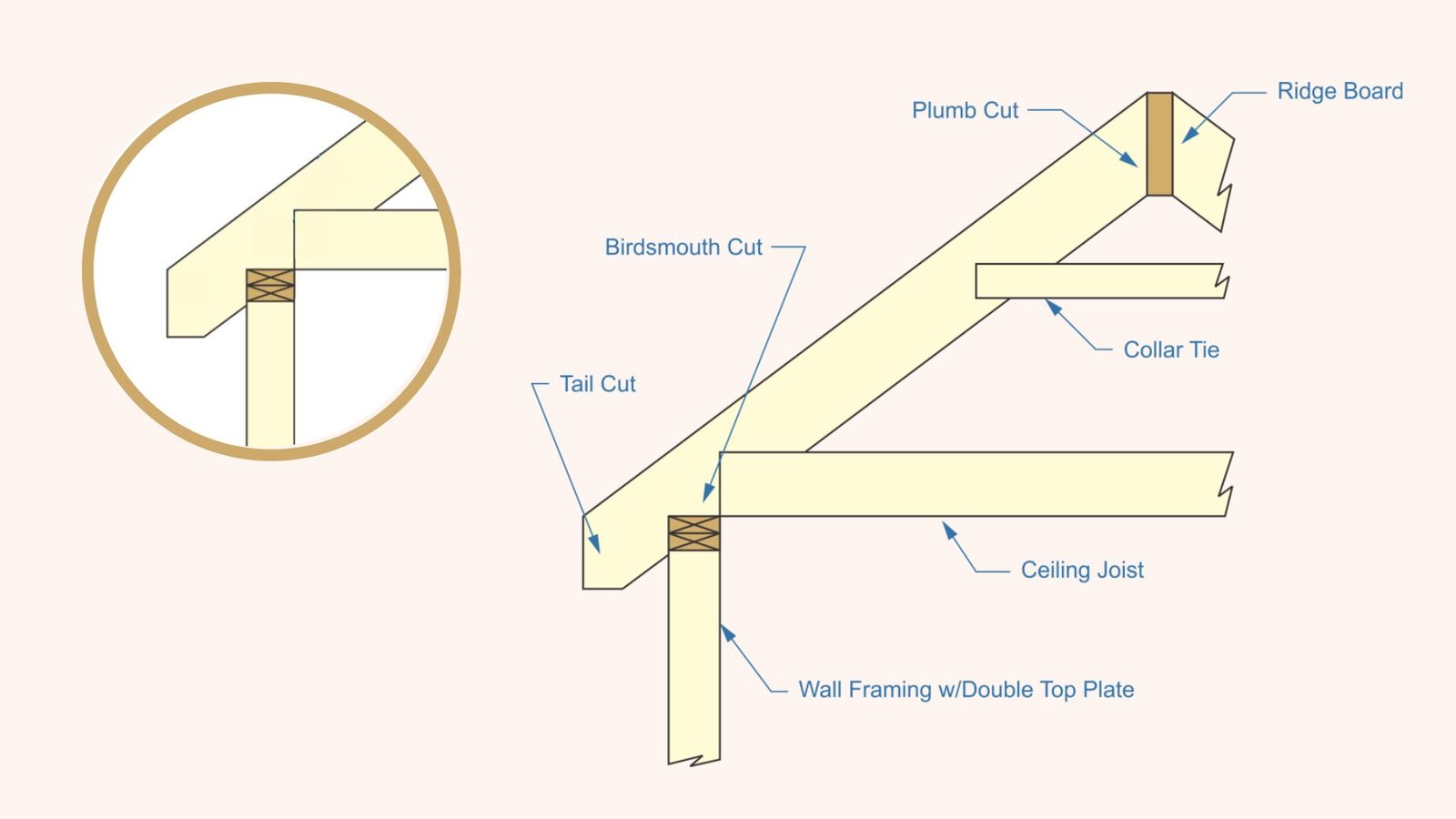
Roofers assess the roof’s structural support, looking for potential flaws or damage caused by the emergency.
Other Signs of Water Damage
Roofers may also look for other water damage signs, such as:
- Peeling Paint or Wallpaper
- Sagging Ceilings
- Warped Floorboards
Addressing these issues promptly is crucial to preventing further damage and ensuring the occupants’ safety..
Documenting the Damage
Roofers take photos and notes of the damage to provide an accurate assessment for insurance claims and repair estimates.
Roofers follow several steps to document the damage arising from roof emergencies:
Take Photographs
Roofers capture clear and detailed photos of the damaged areas, both exterior and interior, to provide visual evidence of the damage.
Record Notes
Roofers take notes describing the extent of the damage, the possible cause, and any other relevant observations made during the inspection.
Measure the Affected Area
Roofers may measure the size of the damaged area to help estimate the cost of repairs and materials needed.
Compile a Detailed Report
Roofers create a comprehensive summary of the damage, including the photos, notes, and measurements taken during the inspection. This report can be used for insurance claims and to provide homeowners with an accurate estimate of repair costs.
Homeowners must keep a copy of the documentation for their records and any insurance claims that may arise from the roof emergency.
Temporary Measures
Roofing contractors may temporarily cover damaged areas with tarps until they can carry out a more permanent repair.
Some temporary measures roofers take for quick repairs while the insurance company assesses the damages arising from a definite roofing emergency include:
Tarping the Roof
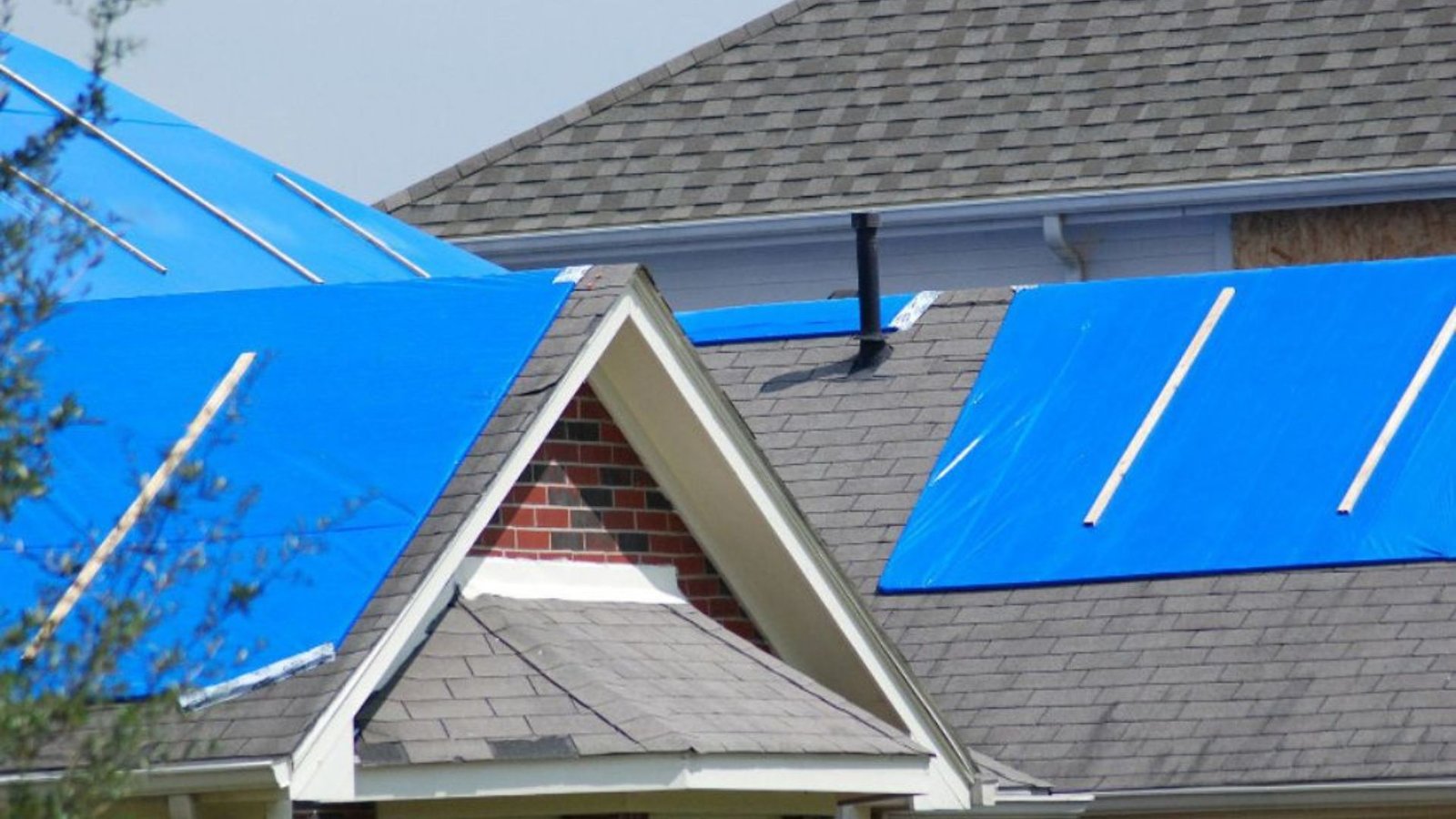
Roofers may place a heavy-duty tarp over the damaged area to prevent further water intrusion and protect the home’s interior from additional damage.
Boarding Up Windows or Skylights
If windows or skylights are broken due to a flat roof emergency, roofers may temporarily board them up to protect the home from weather elements and potential intruders.
Securing Loose or Damaged Shingles
Roofers may temporarily secure loose or damaged shingles to prevent them from causing further damage or posing a safety hazard.
Performing Dry-Out Services
If water has entered the home, roofers may perform dry-out services to mitigate the risk of mold growth and further damage to the home’s interior.
Contacting a professional roofing contractor as soon as possible is essential to assess the damage and initiate the repair process.
Detailed Report
Homeowners receive a detailed report of damage, including the extent of the damage, the necessary repairs, and an estimated timeline for repair.
A roofer’s detailed report after a leaky roof disaster should include the following essential components:
Description of Damage
A thorough explanation of the damage, including the affected areas, the extent of the damage, and the possible cause.
Photographic evidence: Clear and detailed photos of the damaged areas, both from the exterior and interior, to provide visual proof of the damage.
Damaged Area Measurements
An estimate of the cost of repairs and materials may be determined by the size of the damaged area.
Inspection findings: Results of the interior inspection, such as signs of water damage, mold, or structural weaknesses.
Temporary Measures Taken
A description of any interim measures taken, such as tarping the roof or boarding up windows, to protect the property while the insurance company assesses the damages[^4^].
Repair recommendations: A list of recommended repairs, including materials and labor estimates, to restore the roof to its pre-disaster condition.
Timeline for Repairs
An estimated timeline for completing the repairs, considering factors such as weather conditions and availability of materials.
The homeowner must keep a copy of this report for their records and any insurance claims after submitting an emergency roof repair financing application.
Contacting a professional roofing contractor as soon as possible is essential to assess the damage and initiate the repair process.
Temporary Repairs
If possible, make quick repairs to prevent further damage. This may include:
- Using Tarps or Plywood to Cover Exposed Areas
- Removing Debris
- Addressing Drainage Issues
Contact Professionals
Reach out to a professional roofing contractor to assess the damage and provide recommendations for repairs or replacement. Contacting your insurance provider to report the incident and begin the claims process is also essential.
Regular Maintenance and Inspections
To minimize the risk of roofing emergencies caused by severe weather events, conduct regular maintenance and inspections of your roof. This can help identify potential issues before they become emergencies and ensure your roof is in the best possible condition to withstand severe weather.
Regular maintenance and inspections can help prevent roof emergencies when a natural disaster hits the house by identifying and addressing potential issues before they become critical. Some ways regular maintenance and inspections can help include:
Identifying weak points: Routine inspections can identify weak points in the roof, allowing homeowners to proactively address these issues and prevent further damage during natural disasters.
Increasing the Life Expectancy of a Roof
A regular inspection and maintenance schedule can extend the life of the roof, ensuring it remains in good condition and can withstand the effects of natural disasters.
Saving Money on Costly Repairs
By addressing minor issues before they escalate, homeowners can save money on expensive repairs that might be necessary after a natural disaster.
Ensuring proper drainage: Keeping gutters clean and clear of debris helps maintain adequate drainage, reducing the risk of water damage during heavy rain or storms.
Trimming Overhanging Tree Branches
Regularly trimming overhanging tree branches can prevent them from damaging the roof during high winds or storms.
By performing regular maintenance and inspections, homeowners can better prepare their roofs for the impact of natural disasters and minimize the risk of roof emergencies.
Aging or Poorly Maintained Roofs
In addition to being more susceptible to damage and failure, poorly maintained or aging roofs can result in roof emergencies. Over time, roofing materials deteriorate due to exposure to the elements, such as:
- Sunlight
- Rain
- Temperature Fluctuations
This can lead to:
- Weakened
- Brittle
- Worn-out shingles
- Tiles
- Metal Panels
which are more prone to leaks and other issues. Additionally, inadequate maintenance, such as neglecting to clean gutters or address minor repairs, can exacerbate existing problems and increase the likelihood of emergency tile roof repairs. In these cases, sudden weather events or even normal wear and tear can result in:
- Leaks
- Structural Damage
- Roof Collapse
posing safety hazards and costly repair needs. Regular maintenance and timely repairs are essential to prevent roof emergencies caused by aging or poorly maintained roofs.
Improper Installation of Roofing Materials
Improper installation of roofing materials can lead to roof emergencies due to the increased risk of damage and failure.
Incorrect roofing materials installation may not provide the necessary protection against the elements, leading to issues such as:
- Leaks
- Water Damage
- Structural Problems

Common installation errors include:
- Incorrect Alignment
- Spacing of Shingles or Tiles
- Inadequate Sealing Around Vents and Flashing
- Improper Use of Fasteners or Underlayment Materials
These mistakes can compromise the roof’s integrity and reduce its lifespan. The effects of improper installation can vary. In some cases, issues may be apparent immediately, whereas in others, they may take time to manifest.
Roof emergencies caused by improper installation can often be avoided by hiring experienced and reputable roofing professionals to ensure the correct installation of roofing materials and adherence to industry standards.
Flashing and Seal Failures
Failures in flashing and seals can occur due to various factors, such as:
- Improper Installation
- Natural Wear and Tear
- Corrosion
- Damage From Severe Weather Events
When flashing or seals fail, water can seep into the roof structure, causing issues such as:
- Roof Deck Rot
- Mold Growth
- Insulation Damage
- Interior Damage to Ceilings and Walls
Roof emergencies resulting from flashing and seal failures often require prompt attention to prevent further damage and costly repairs. Regular roof inspections and maintenance can help identify potential issues with flashing and seals before they lead to emergencies, ensuring the roof remains watertight and protected against the elements.
Severe weather events commonly cause roofing emergencies, leading to costly repairs and potential safety hazards. Property owners can take appropriate precautions and respond effectively to roofing emergencies by understanding the risks associated with severe weather.
Regular maintenance and inspections, along with prompt action for the completion of emergency roof repairs, can help protect your property and ensure the safety and integrity of your building.
Identifying Roofing Emergencies
- Visible signs of damage
- Missing or damaged shingles, tiles, or other roofing materials
- Dented or damaged flashing
- Water pooling on the roof
- Interior signs of damage
- Water stains on ceilings or walls
- Mold or mildew growth
- Dripping water or active leaks
Visible Signs of Damage
Visible signs of damage can help identify roofing emergencies and alert property owners to the need for immediate attention and repairs. Some common visual indicators of a roofing emergency include:
Missing or Damaged Shingles, Tiles, or Metal Panels
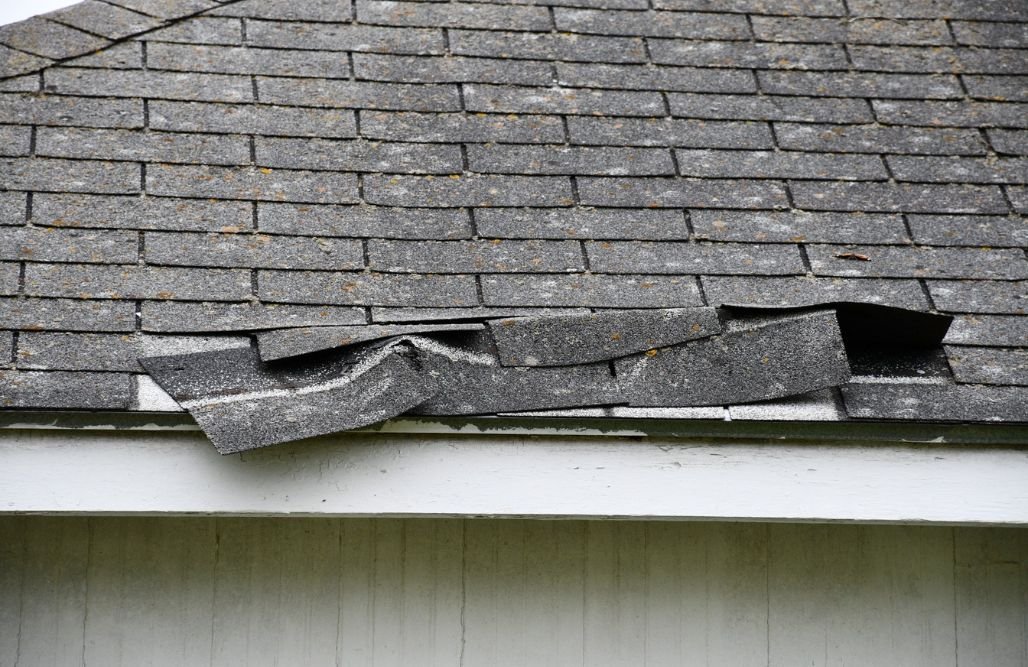
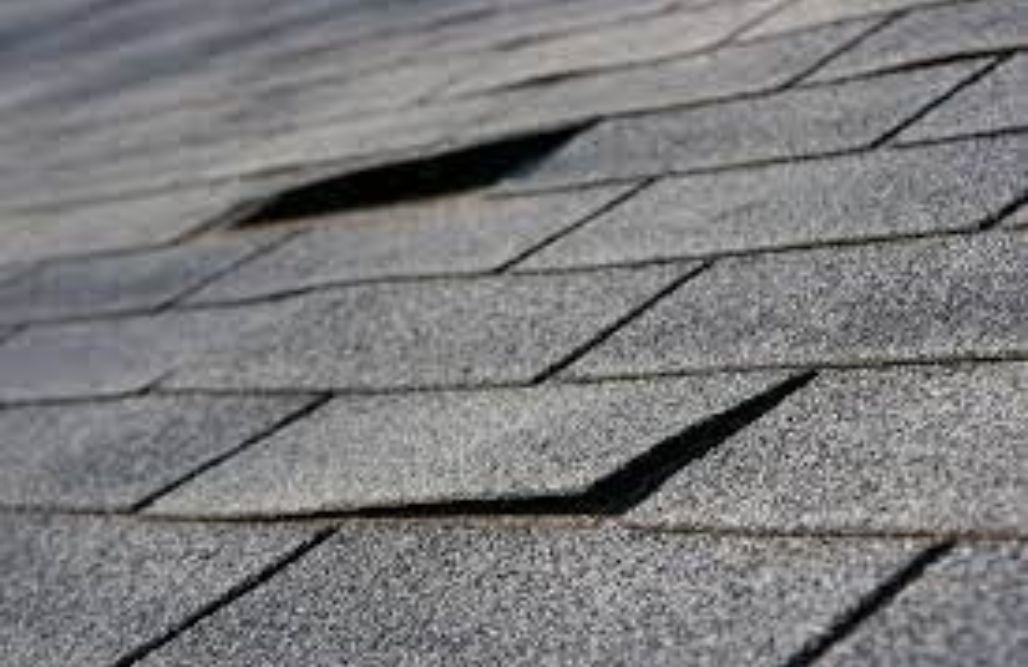
Large gaps or visible damage in the roofing materials can become an emergency when they expose the underlying roof structure to the elements, leading to leaks and potential water damage. These issues can occur due to severe weather events, aging, or improper installation of roofing materials. Roof emergencies caused by missing or damaged roofing materials often require immediate attention to prevent further damage and costly repairs.
Regularly inspecting your roof for visible signs of damage and taking swift action when necessary will help you avoid emergencies and keep your roof in good condition.
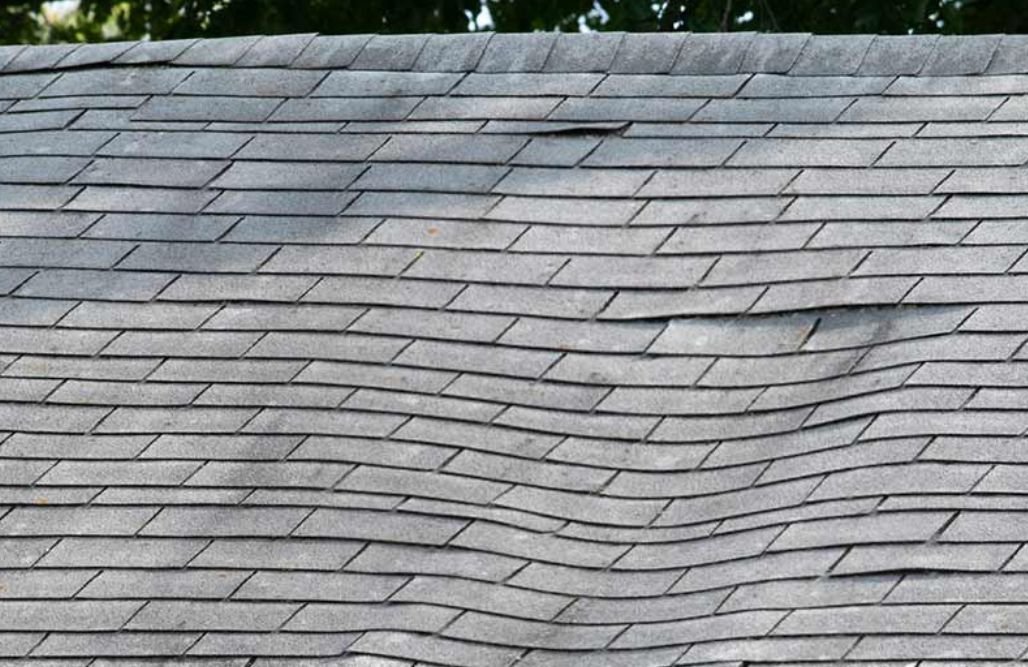
Sagging or Buckling
A sagging or buckling roof may indicate structural damage or water accumulation, leading to roof collapse if not addressed promptly.
Sagging or buckling of a roof or structure becomes an emergency when the system’s stability is compromised, posing a risk of collapse or significant damage. Many factors can lead to this condition, including excessive load caused by rain or snow accumulations, improper construction, or damage caused by severe weather. In cases where sagging or buckling is observed, it is crucial to consult an engineer and evacuate the building if necessary until the situation has been assessed and deemed safe. Immediate action is essential to prevent further damage, potential injury, and costly repairs.
Water Stains or Leaks
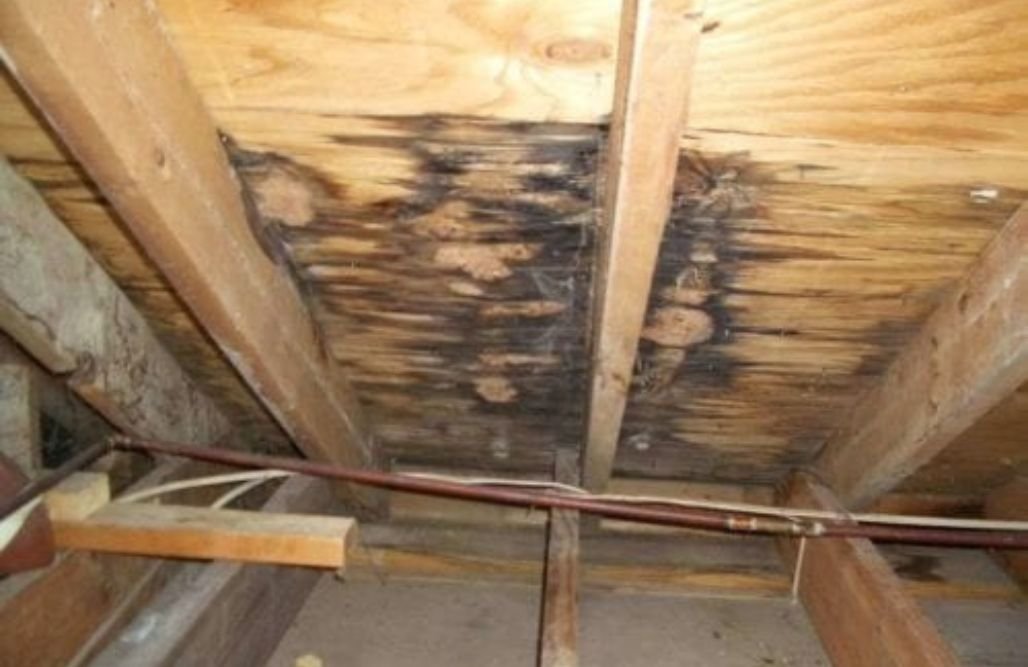
Discoloration on ceilings or walls or active leaks inside the building may signal a roof integrity breach, requiring immediate attention to prevent further damage.
Water stains or leaks become an emergency roof repair need when they indicate an active leak or compromise in the roof’s integrity, leading to further damage and costly repairs if not addressed promptly.
Taking immediate action to prevent additional cosmetic or structural problems is crucial in such cases, to place a temporary emergency roof tarp on the roof surface can help prevent leaks until a professional can come and evaluate the situation. Regular monitoring of moisture levels and affected areas is also essential to ensure the issue is resolved and prevent mold growth.
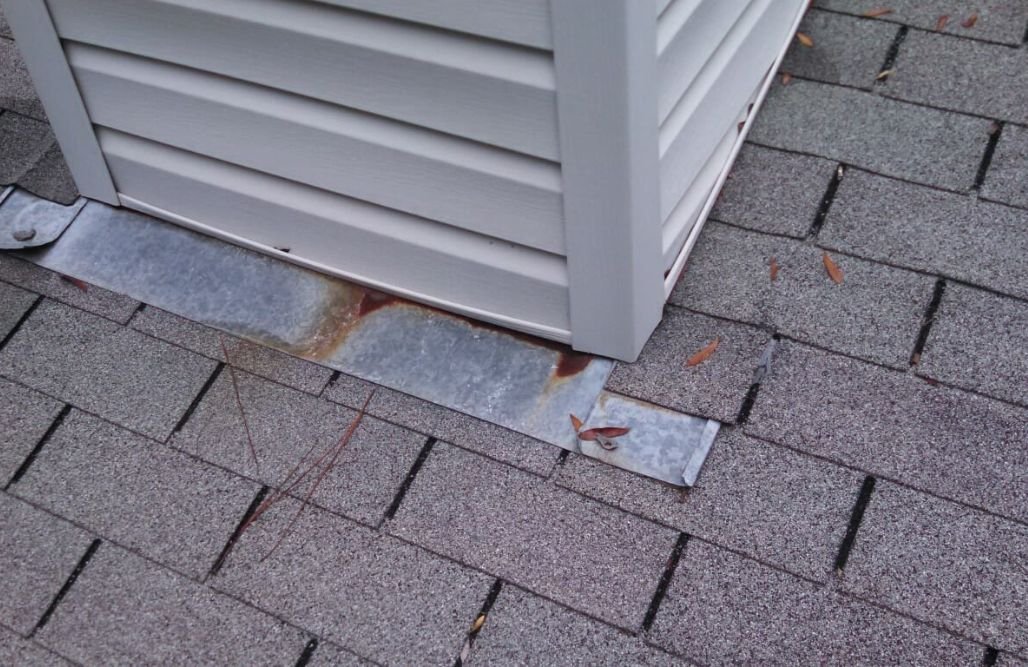
Damaged or Dislodged Flashing
Visible damage to flashing around roof penetrations or edges can allow water infiltration, increasing the risk of leaks and structural damage.
Damaged or dislodged flashing becomes an emergency roof repair need when it exposes the underlying roof structure to water infiltration, leading to leaks and potential damage to the interior of the building. Common causes of damaged or dislodged flashing include severe weather, natural wear and tear, and improper installation. When flashing is compromised, it is essential to address the issue promptly to prevent further damage, such as rot, mold growth, and damage to the insulation or interior walls and ceilings. Regular inspection and maintenance can help identify potential issues with flashing before they lead to emergencies, ensuring the roof remains watertight and protected against the elements.
Accumulation of Granules in Gutters
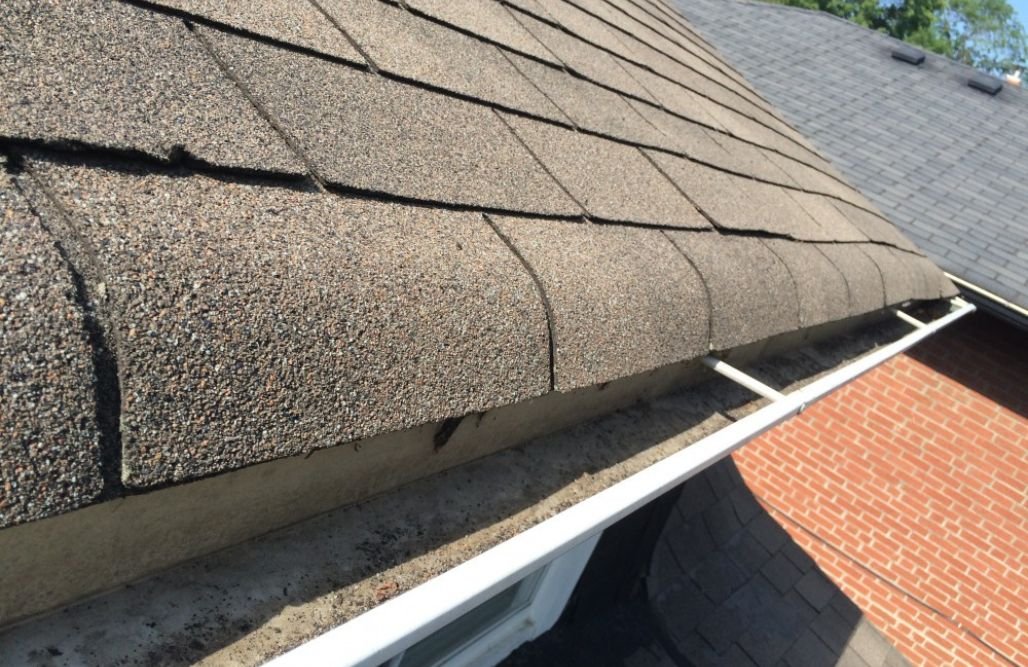
Excessive granule loss from asphalt shingles can indicate aging or damage, compromising the roof’s ability to protect the building from water infiltration.
The accumulation of granules in gutters can become an emergency roof repair need when it indicates excessive granule loss from asphalt shingles, which may compromise the roof’s ability to protect the building from water infiltration. Granule loss can occur due to aging, weathering, or other types of damage. When a significant amount of granules is found in the gutters or on the ground near downspouts, it may signal the need for immediate attention to prevent further damage to the roof, such as leaks or structural issues. Regular inspection and maintenance can help identify potential problems with granule loss before they lead to emergencies, ensuring the rooftop remains watertight and protected against the elements.
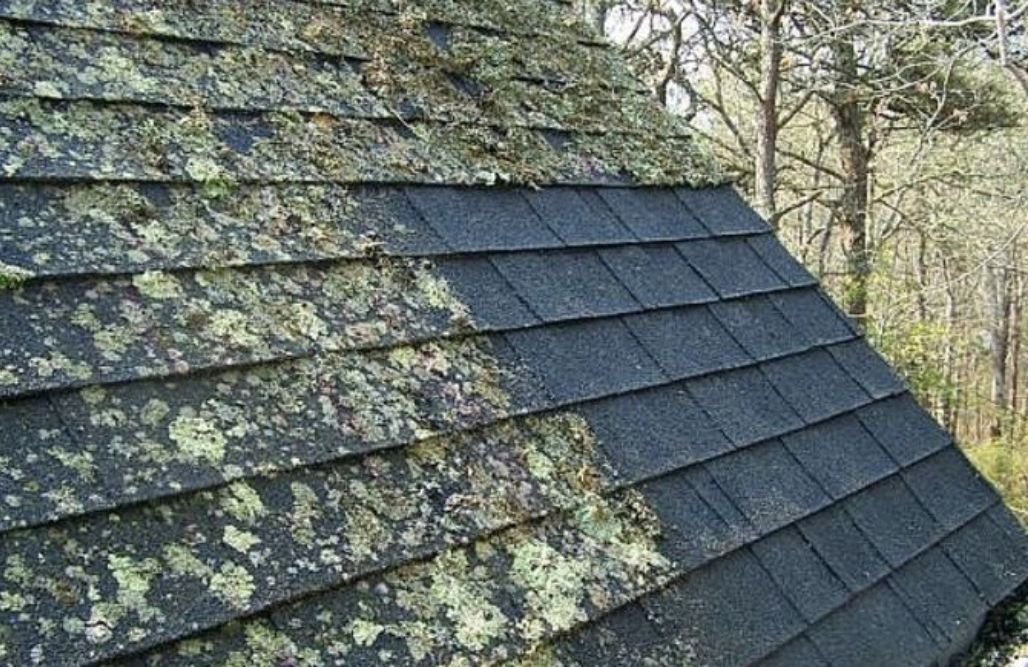
Mold or Mildew Growth
The mold or mildew on the roof or inside the building may indicate moisture issues due to roof damage or failure.
By regularly inspecting the roof and being vigilant for visible signs of damage, property owners can identify roofing emergencies and take prompt action to address the issues, minimizing the risk of further damage and costly repairs.
Mold or mildew growth becomes an emergency roof repair need when it indicates an underlying issue with the roof or ventilation system, leading to moisture accumulation and potential damage to the roof structure and interior of the building. Mold growth in an attic can happen as a result of a lack of roof ventilation, which causes condensation and creates an ideal environment for mold and mildew to grow. Addressing the issue promptly is crucial to prevent further damage, such as rot, structural problems, and potential health hazards. A roofer can assess the situation and add necessary ventilation to help correct the issue. Regular inspection and maintenance can help identify potential problems with mold and mildew growth before they lead to emergencies, ensuring the roof remains watertight and protected against the elements.
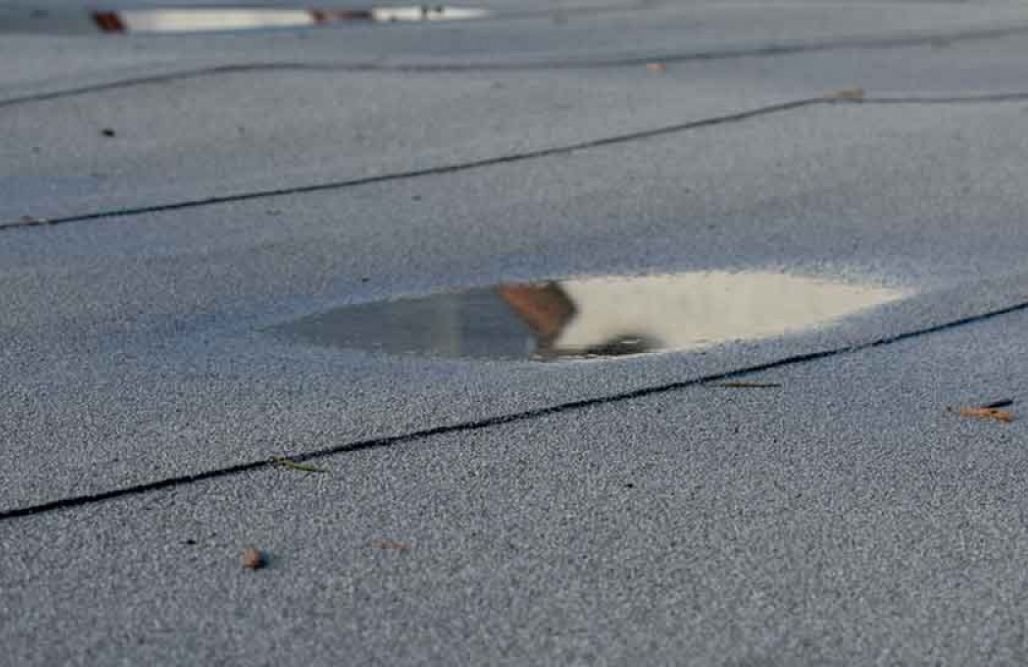
Water Pooling on the Roof
Water pooling on the roof becomes an emergency roof repair need when it persists for more than 48 hours, indicating a potential issue with the roof’s drainage system, low spots, or structural integrity. Prolonged water pooling can lead to the deterioration of roofing materials, leaks, and damage to the building’s interior. Addressing the issue promptly is essential to prevent further damage, such as rot, mold growth, and structural deterioration. Regular inspection and maintenance can help identify potential problems with water pooling before they lead to emergencies, ensuring the roof remains watertight and protected against the elements.
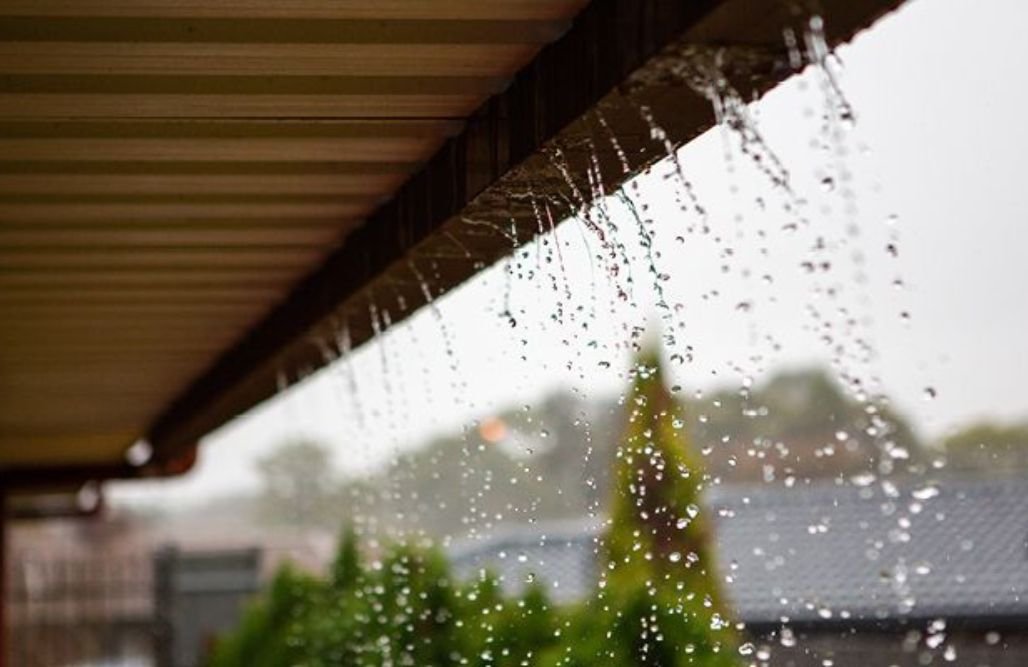
Dripping Water or Active Leaks
Dripping water or active leaks become an emergency roof repair when they threaten the building’s structure, interior, or occupants. If not addressed promptly, active leaks can lead to water damage, rot, mold growth, and even electrical hazards. Observing water stains that are expanding, discolored spots on the ceiling, or visible drips inside the building may indicate an urgent need for roof repair. A professional roofer can assess the damage and make any necessary repairs to prevent further damage and ensure the safety of the building and its inhabitants.
Temporary Emergency Roof Repair Solutions
- Emergency roof tarping
- Benefits and limitations
- Proper installation techniques
- Emergency roof shrink wrap
- Benefits and limitations
- Proper installation techniques
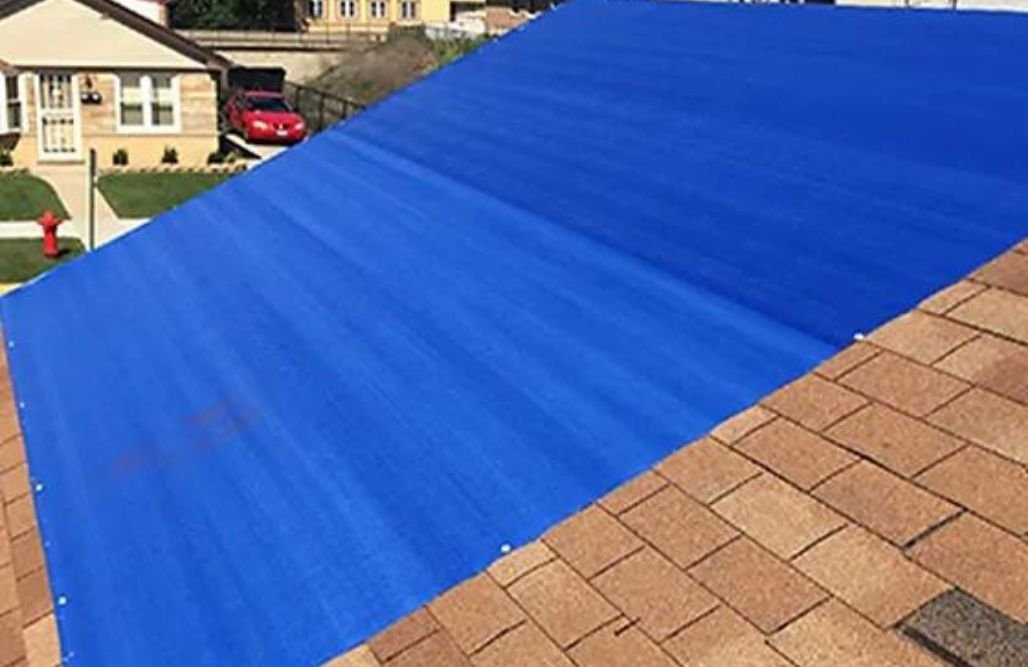
Emergency Roof Tarping
Emergency roof tarping is a temporary roof repair solution because it provides a short-term fix to prevent secondary damage to the roof until it can be thoroughly inspected and repaired. Tarps are polymeric materials resistant to water, ice, and air, but they typically last up to 90 days on the roof. Roofing contractors recommend keeping the tarp for up to three months, as it can lead to further issues. Although it helps to halt the problem temporarily, a professional inspection and repair are necessary for a long-term solution.
Roof Tarping Benefits and Limitations
Emergency roof tarping is a temporary solution for protecting damaged roofs from further damage due to external elements. The benefits and limitations of this method are as follows:
Roof Tarping Benefits
Quick Protection
Emergency roof tarping provides immediate protection against water intrusion and other elements, preventing further damage to the property.
Cost-Effective
Tarping is generally more affordable than other temporary solutions, such as shrink wrap.
Insurance Compliance
Many insurance policies require property owners to take reasonable measures, such as tarping, to prevent further damage after a loss.
Roof Tarping Limitations
Limited Durability
Tarps may not withstand extreme weather conditions, UV rays, or high winds as effectively as other materials, such as shrink wrap.
Incomplete Coverage
Tarping may only provide a watertight seal if installed correctly, which can lead to water intrusion and further damage.
Temporary Solution
Emergency roof tarping is not a long-term fix and should be followed by a professional inspection and permanent repair.
Proper Installation Techniques for Emergency Roof Tarping
Proper installation techniques for emergency roof tarping involve the following steps:
Assess the damaged area and measure the roof to determine the tarp size needed, ensuring it covers the damaged area and extends beyond it.
Clean the roof surface and remove any debris to ensure proper tarp placement.
Unroll the tarp and cut it to size, allowing for overlap on all edges.
Position the tarp over the damaged area so that one edge goes over the roof peak and extends a few feet down the other side. This prevents water from running down under the tarp.
Secure the tarp’s edges with 1×3 strapping and screw them to the roof sheathing. Alternatively, you can weigh down the tarp with 2×4 wooden planks or sandbags attached to loops along the tarp’s edge.
Attach roof nails to the tarp and press/hammer firmly to secure it in place.
Remember that emergency roof tarping is a temporary solution and should be followed by a professional inspection and permanent repair.
Temporary roof repair solutions offer several benefits and limitations. Some of the benefits include:
Roof Quick Fix
Providing an immediate solution to prevent further damage, these repairs can be completed in a matter of days.
Minimal Disruption
Temporary repairs usually create less mess and require less time, resulting in minimal disruption to the building occupants.
Yet, there are also limitations to temporary roof repairs:
Short-Term Solution
Temporary repairs are not designed to last long-term and may only provide protection for a limited period.
Potential for Further Damage
If the underlying issue is not addressed, temporary repairs may not prevent further damage to the roof or building structure.
Required Professional Inspection
Temporary repairs should not replace a thorough inspection and permanent repair by a professional roofing contractor.
Proper Installation Techniques for Roof Tarping
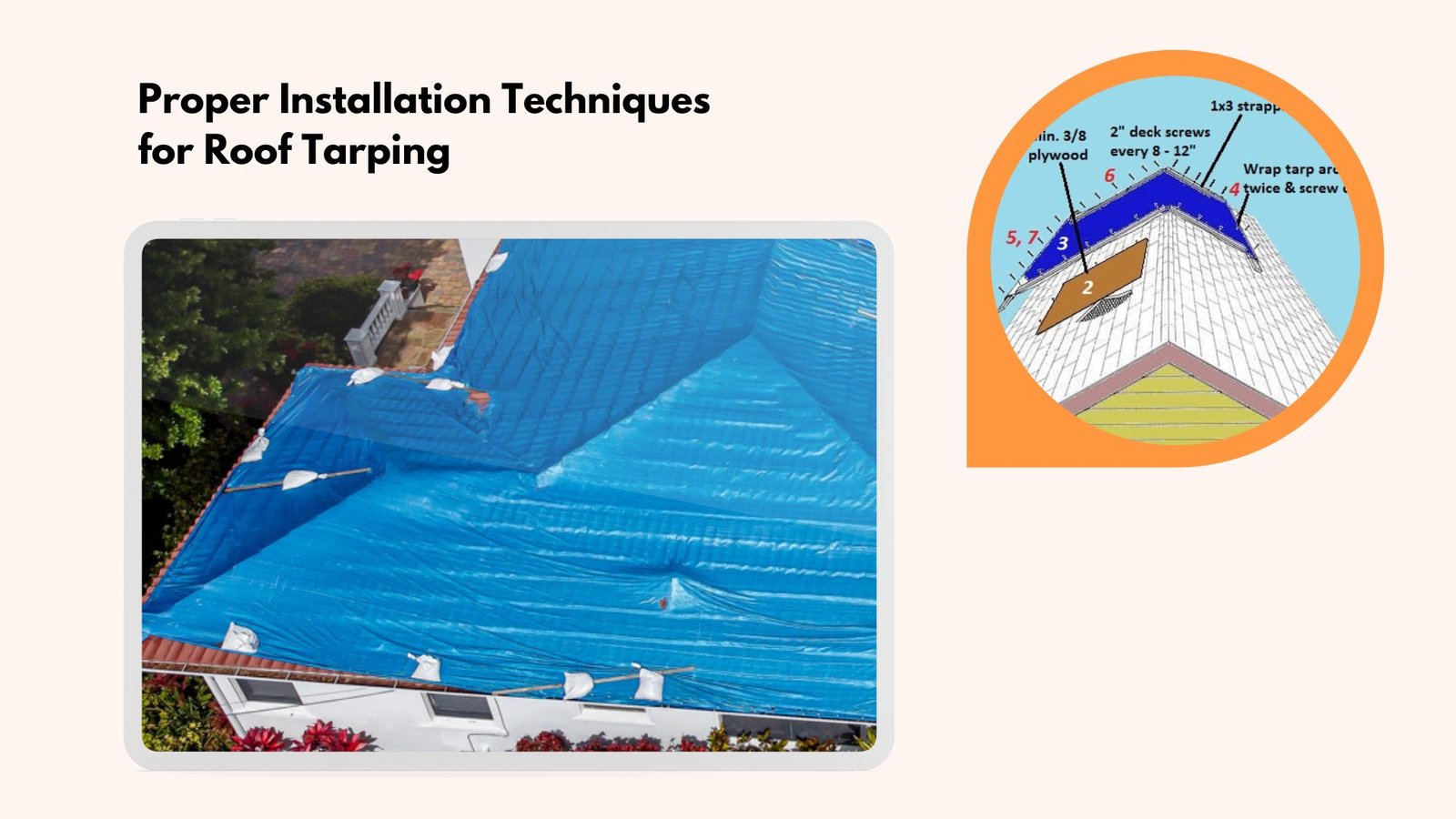
Proper installation techniques for a temporary roof repair solution, such as tarping, involve several steps to ensure adequate coverage and protection. First, assess and measure the area the tarp needs to cover and purchase a roof tarp that provides several feet of coverage beyond the damaged area. Pull the tarp tightly onto the roof and smooth it out, ensuring it is tucked under the roofing material or installed up and over a ridge to prevent water from entering at the top and running underneath. You can weigh down your tarp with 2×4 wooden planks or sandbags that attach to loops along the edge of the tarp. Lastly, attach roof nails to the tarp and press/hammer firmly, ensuring the tarp is securely fastened to the roof. Remember that temporary roof repair solutions are not a substitute for a professional inspection and permanent repair by a roofing contractor.
Emergency Roof Shrink Wrap
Emergency roof shrink wrap is a temporary roof repair solution that involves applying a large plastic membrane to the damaged area of the roof and using heat to shrink it tightly, conforming to the roof’s contours. The seams of the shrink wrap are heat-welded, creating a watertight seal over the entire rooftop. This method is considered a superior alternative to traditional roof tarps, providing a tight fit and waterproof protection for various structures. However, it is essential to remember that shrink wrap is still a temporary solution, and a professional inspection and permanent repair are necessary for long-term protection.
Benefits and Limitations of Emergency Roof Shrink Wrap
Emergency roof shrink wrap offers several benefits and limitations as a temporary roof repair solution. Benefits include:
Watertight Seal
The heat-welded seams create a waterproof seal, providing better protection against water intrusion than traditional tarps.
Wrap Custom-Fit
Shrink wrap conforms to the roof’s contours, ensuring a tight fit and preventing wind from lifting or tearing the material.
Wrap Durability
Shrink wrap is more resistant to damage from UV rays, wind, and other environmental factors compared to traditional tarps.
However, there are also limitations to emergency roof shrink wrap:
Shrink Wrap Cost
A shrink wrap installation can cost between $3.50 and $6.00 per square foot, which is higher than putting up a traditional tarp
Installation Complexity
Shrink wrap requires specialized equipment and trained professionals for proper installation.
Temporary Solution
Like other temporary roof repair solutions, shrink wrap is not a long-term fix and should be followed by a professional inspection and permanent repair.
Proper Installation Techniques for Emergency Roof Shrink Wrap
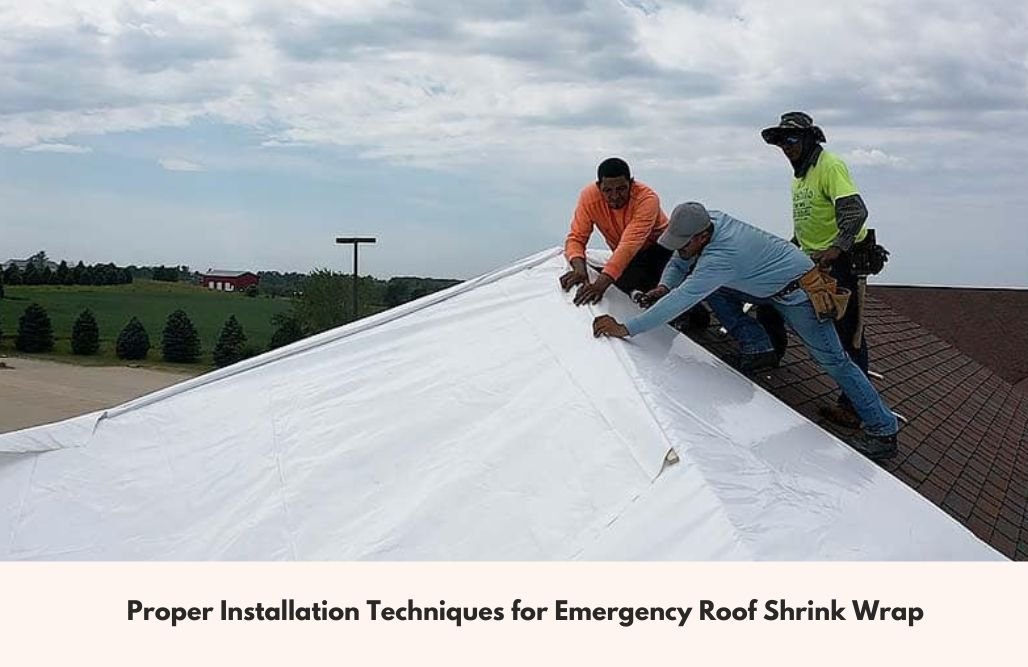
Proper installation techniques for emergency roof shrink wrap as a temporary roof repair solution involve several steps:
Assess the damaged area and measure the roof to determine the shrink wrap size needed.
Clean the roof surface and remove any debris to ensure proper adhesion of the shrink wrap.
Unroll the shrink-wrap material and cut it to size, allowing overlap on all edges.
Position the shrink wrap over the damaged area, ensuring it covers the entire area and extends beyond the damage to create a watertight seal.
By starting at the lowest level and working your way up, apply high temperature to the shrink wrap. In order for the material to conform to the roof’s contours, it must be heated in order to shrink.
Heat-weld the seams of the shrink wrap to create a watertight seal.
Inspect the installation to ensure all seams are sealed, and the shrink wrap is securely adhered to the roof surface.
Keep in mind that emergency roof shrink wrap is a temporary solution, and a professional inspection and permanent repair are necessary for long-term protection.
Hiring Professional Emergency Roof Repair Services
- Advantages of hiring professionals
- Expertise and experience
- Access to specialized tools and materials
- Safety considerations
- Choosing the right roofing contractor
- Licensing and insurance
- Reputation and references
- Availability and response time
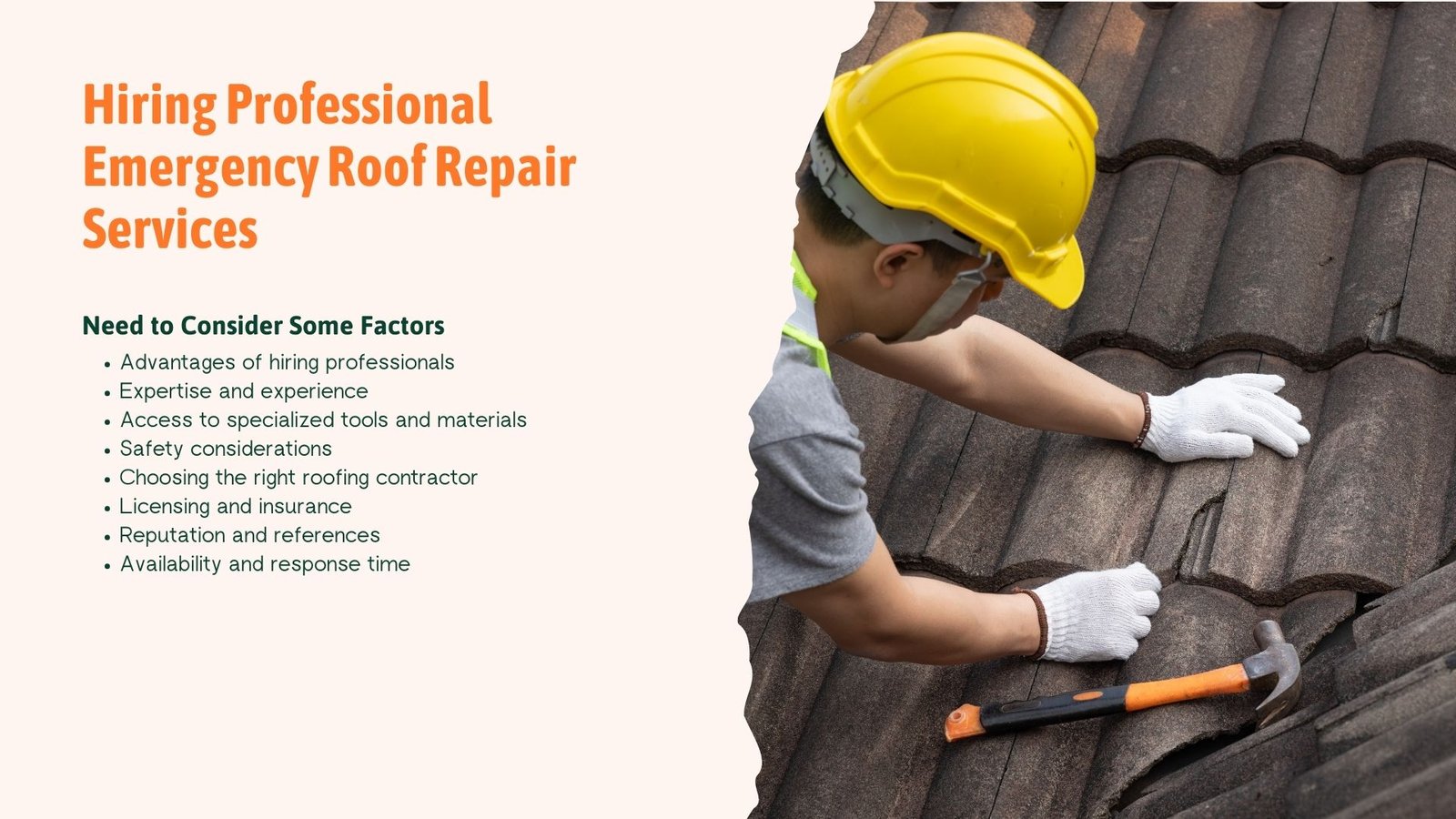
When hiring professional emergency roof repair services, it’s essential to consider the following factors to ensure you choose a reliable and qualified contractor:
License and Insurance
Ensure the contractor is licensed and insured to perform roofing work in your area. This protects you from liability in case of accidents or damage to your property[^1^].
Emergency Roof Repairs Experience
Choose a contractor with experience in handling emergency roof repairs, as they will be better equipped to address the specific issues that arise during emergencies[^2^].
Local Reputation
Look for a contractor with a solid reputation in your community. Check online reviews, ask for references, and consult with neighbors or friends who have used their services[^3^].
Availability and Response Time
In an emergency, it’s crucial to find a contractor who can respond quickly and is available to perform the necessary repairs promptly[^4^].
Written Estimates
Obtain written estimates from multiple contractors to compare costs and services. This will help you make an informed decision and ensure you’re getting a fair price[^5^].
Warranty and Guarantees
Ask about warranties and guarantees on the work performed and the materials used. A reputable contractor should stand behind their work and provide a warranty for their services[^6^].
Emergency Communication
Effective communication is essential during an emergency. Choose a responsive contractor, who answers your questions, and keeps you informed throughout the repair process[^7^].
By considering these factors, you can hire a professional emergency roof repair service that will address your needs and provide quality workmanship.
Advantages of Hiring Professionals
Hiring professional roofers over inexperienced ones offers several advantages, including: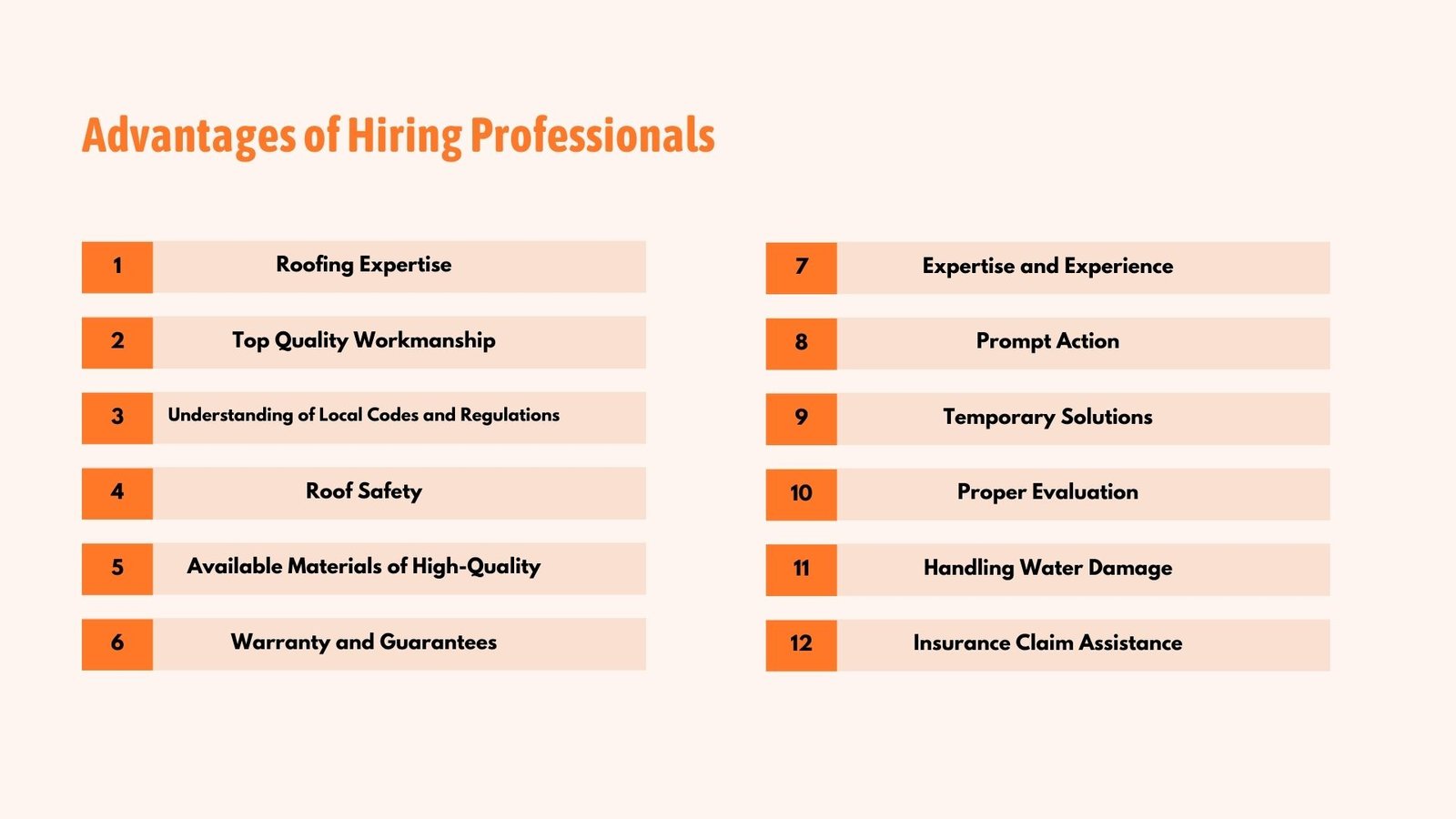
Roofing Expertise
Professionals with many years of experience can identify roofing problems more effectively than inexperienced roofers. They can also recommend the best course of action for repairs.
Top Quality Workmanship
A professional roofing company will complete the job in a proper manner when you hire them. Roofers are held to high standards and are more likely to provide quality workmanship.
Understanding of Local Codes and Regulations
Your roofing project will be in compliance with all relevant codes and regulations because professional roofers are knowledgeable about local codes and regulations
Roof Safety
Roofing work comes with significant risks, and professional roofers have the training and equipment necessary to perform the job safely.
Saves time: Hiring professional roofers can save you time, as they have the expertise and tools to complete the project efficiently.
Available Materials of High-Quality
Due to their access to quality materials at competitive prices, professional roofers can complete their jobs quickly and easily.
Warranty and Guarantees
Reputable professional roofers often provide warranties and guarantees on their work, giving you peace of mind and protection for your investment.
Hiring professional roofers ensures a higher quality of work, compliance with local regulations, and a safer and more efficient roofing project.
Expertise and Experience
Some specific examples of expertise and experience when a roofer repairs an emergency roof repair, include:
Prompt Action
Professional roofers have the experience, equipment, and expertise needed to respond to emergency situations quickly, preventing further damage to the property.
Temporary Solutions
Experienced roofers can provide temporary solutions like placing a tarp on the roof surface or using roof shrink wrap to prevent leaks and protect the property until permanent repairs can be made.
Proper Evaluation
Using the services of a professional roofer will allow you to determine the extent of the damage and resolve the best method of repairing it.
Handling Water Damage
Professional roofers are skilled in addressing water damage, one of the most common issues requiring emergency roof repair.
Insurance Claim Assistance
Experienced roofers can help expedite the insurance claim process for homeowners, ensuring they receive the necessary coverage for the repairs.
By hiring a roofer with expertise and experience in emergency roof repairs, homeowners can be confident they receive quality service and solutions tailored to their needs.
Access to Specialized Tools and Materials
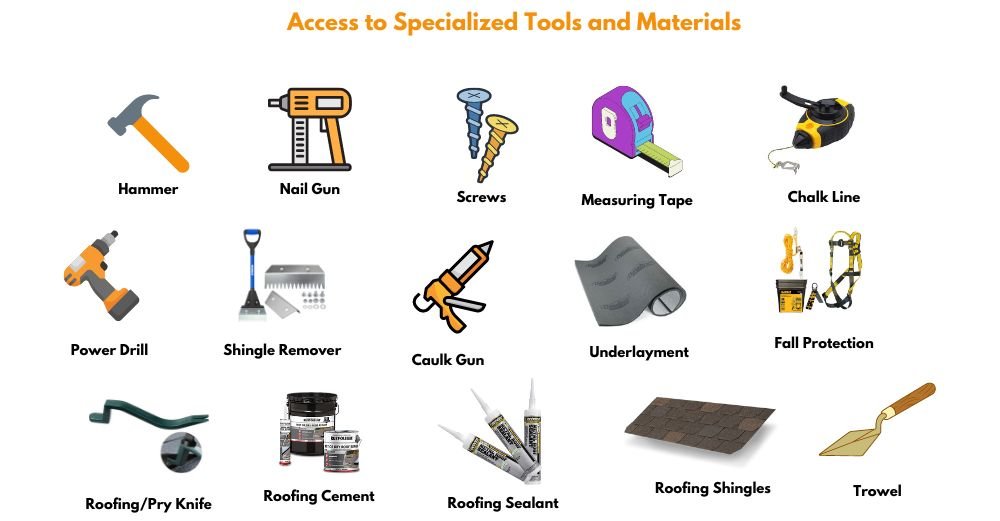
Inexperienced roofers may have access to specialized tools and materials to repair emergency roof needs, but their lack of experience could result in improper usage or selection of materials. While resources available online provide guidance on emergency roof repairs, hiring experienced professionals for such tasks is always recommended. Inexperienced roofers may not have the necessary knowledge to handle complex or time-sensitive repairs, which could lead to further damage or safety hazards.
Hiring a professional roofer with experience in emergency repairs ensures the appropriate tools, materials, and techniques are used, providing a higher quality and safer outcome.
Safety Considerations
Both experienced and inexperienced roofing contractors should pay attention to safety considerations:
Protect yourself from injury by wearing personal protective equipment (PPE) such as safety harnesses, helmets, gloves, and goggles.
Ensuring the use of appropriate footwear with slip-resistant soles to provide traction and help prevent slips and falls.
Setting up and using ladders and scaffolding correctly, following the manufacturer’s guidelines and safety regulations.
Implementing fall protection systems, such as guardrails and safety nets, to prevent falls from the roof.
Regularly inspecting and maintaining tools and equipment to ensure they are in good working condition.
Keeping the work area clean and free of debris to minimize tripping hazards.
Clearly marking any vents, ducts, or skylights with transparent tape or tarps to avoid tripping or falling through.
Providing ongoing safety training to experienced workers, as well as training inexperienced workers regarding safety procedures and best practices.
Both experienced and inexperienced roofers should prioritize safety and follow these guidelines to minimize risks and prevent workplace accidents.
Choosing the Right Roofing Contractor
To ensure you are choosing the right roofing contractor, follow these tips:
Obtain multiple bids from different roofing contractors before making your decision. This will help you compare costs, services, and qualifications.
Ask for recommendations or referrals from friends, relatives, or neighbors who have had roofing work done recently.
Verify that the contractor is licensed and insured to perform roofing work in your area.
Check online reviews and ratings to gauge the contractor’s reputation and the quality of their work.
Inquire about the contractor’s experience and expertise in handling projects similar to yours.
Make sure the contractor provides a written estimate that details the scope of work, materials to be used, and the project timeline.
Confirm that the contractor offers warranties and guarantees on their work and the materials used.
Following these guidelines will help you choose a roofing contractor who meets your needs and delivers quality results.
Licensing and Insurance
Licensing and insurance requirements for professional roofing companies vary depending on the state or local jurisdiction. State agencies require roofers to obtain a license or be registered with the local governing body before performing their services. This often involves passing a trade exam and meeting financial and bonding requirements.
In addition to licensing, professional roofing companies must carry insurance coverage to protect themselves and their clients. The two main types of insurance required for roofing contractors are general liability insurance and workers’ compensation insurance. Workers’ compensation insurance covers medical expenses and lost wages for injured employees, while public liability insurance covers third-party risks such as customer injuries.
Some roofing companies may also choose to purchase additional insurance coverage, such as commercial auto insurance for company vehicles or a business owner’s policy (BOP) that bundles general liability, commercial property, and business interruption insurance.
Reputation and References
When looking for a reputable professional roofer, consider the following criteria:
Verify that the roofer has a valid contractor license or business registration in your state.
Ensure the roofer has general liability insurance and workers’ compensation insurance.
Look for a local roofing contractor with an established presence in your community.
Check online reviews and ratings to gauge the contractor’s reputation and the quality of their work.
Obtain recommendations or referrals from friends, neighbors, or your Homeowner Association (HOA).
Assess the contractor’s portfolio and ask for references from previous clients.
To differentiate roofers you can’t trust, watch out for:
Roofers who lack proper licensing or insurance.
Contractors who pressure you into making quick decisions or ask for large upfront payments.
Roofers who have consistently poor reviews or a history of unresolved complaints.
Companies with no local address or an unverifiable business history.
Making an informed decision when choosing a professional roofer is possible when you take these factors into account.
Availability and Response Time
Professional roofers’ availability and response time during appointments with homeowners can vary depending on the roofing company. However, a reputable roofing contractor should be punctual, arrive at the scheduled appointment time, and be responsive to any inquiries or concerns you may have. When scheduling an appointment, confirming the project start date and time frame with the contractor is essential.
In case of unforeseen circumstances, such as bad weather or scheduling conflicts, a professional roofer should communicate any changes to the appointment promptly and reschedule at the earliest convenience. Working with a top-rated roofer with a track record of superior customer satisfaction is also crucial, as they are more likely to prioritize punctuality and responsiveness.
Preventative Measures to Minimize Roofing Emergencies

Regular Roof Inspections and Maintenance
Regular roof inspections and maintenance play a crucial role in preventing emergency situations and ensuring the longevity of a roof. To assess the roof’s condition after the harsh winter months and before winter weather sets in, professional roofers should inspect it twice a year, preferably in the spring and fall. In addition to regular inspections, proper maintenance, including cleaning gutters, trimming overhanging tree branches, and addressing minor repairs promptly, can help prevent emergency situations by minimizing the risk of water intrusion, structural damage, and other roof-related issues..
Importance of Routine Maintenance
Regular maintenance plays a vital role in preventing emergency roof destruction, as it preserves the structural integrity, functionality, and longevity of a roof. By engaging in regular maintenance tasks, such as cleaning gutters and downspouts, inspecting for signs of damage or wear, and promptly addressing minor issues, homeowners and building owners can effectively mitigate the risk of severe roof damage that may lead to emergencies. Furthermore, routine maintenance helps to identify and rectify potential vulnerabilities, such as loose or damaged flashing, cracked or missing shingles, and deteriorating sealants, that could exacerbate the impact of weather events or other external factors. In essence, investing in regular roof maintenance is a proactive approach to safeguarding the roof against emergency destruction, ultimately saving time, money, and stress, while ensuring the safety and well-being of the building’s occupants.
Components of a Roof Maintenance Checklist
Roof maintenance is an essential aspect of building care that ensures the longevity and structural integrity of your property. It is vital to have a comprehensive roof maintenance checklist to address emergency roof repair needs, as it helps you identify potential issues and take immediate action to prevent further damage. This essay will discuss the critical components of a roof maintenance checklist, highlighting their importance and providing tips on how to implement them effectively.
Regular Roof Inspections
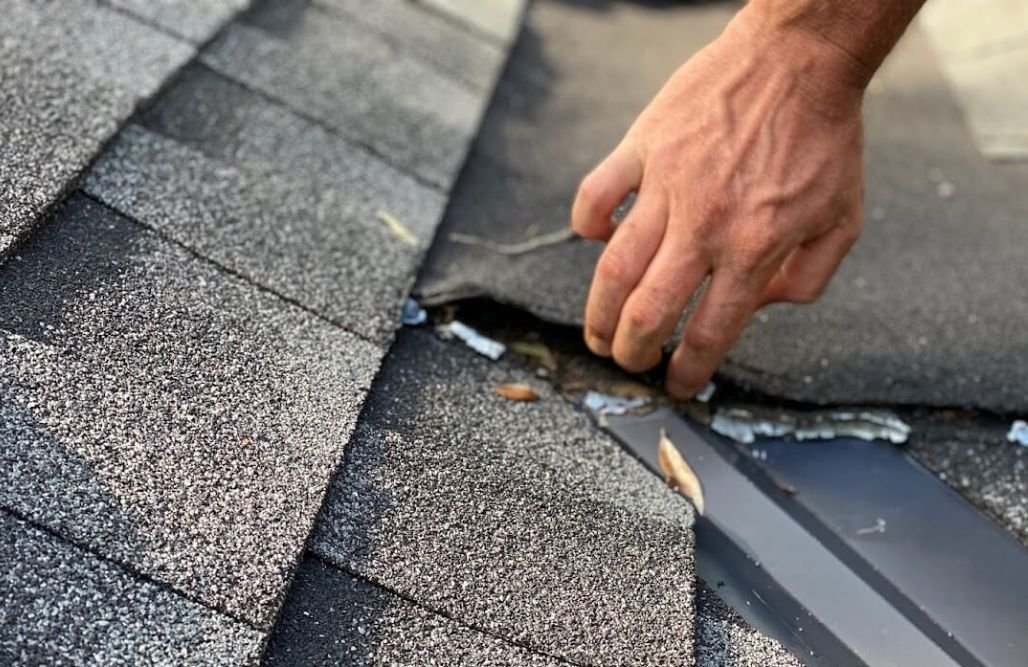
Conducting regular roof inspections is the first step in maintaining a healthy roof. It is also crucial to inspect your roof after significant weather events, such as storms or heavy snowfall. During these inspections, be sure to:
Examine the roof’s surface for signs of wear, damage, or aging
Check for loose, missing, or damaged shingles or tiles
Inspect roof flashings and sealants for cracks or deterioration
Look for signs of water damage, such as leaks or staining on the interior ceiling or walls
Gutter and Downspout Maintenance
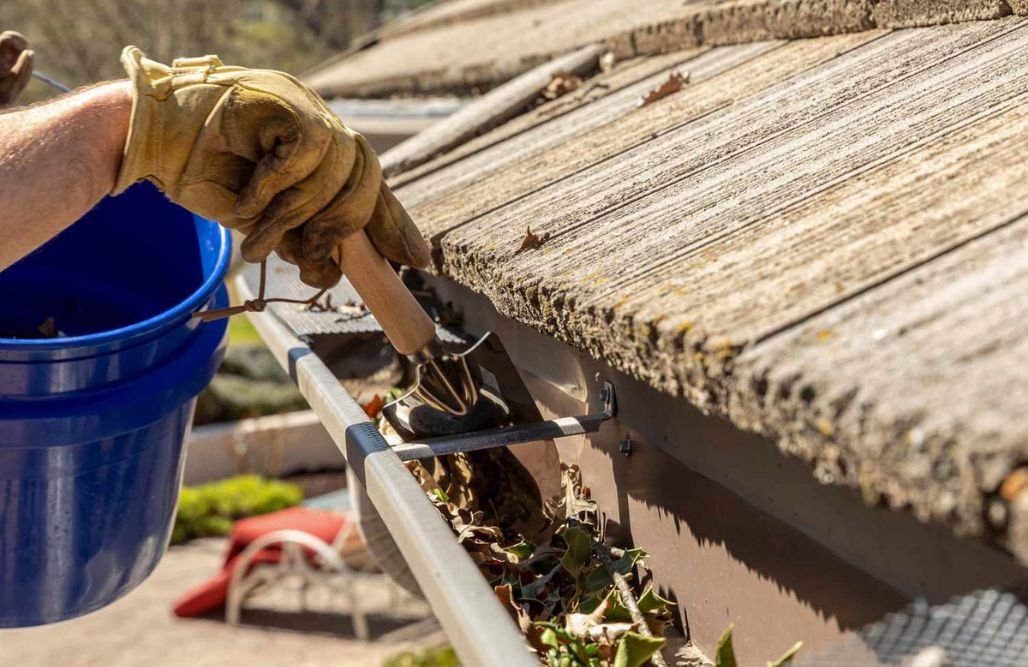
Gutters and downspouts play a critical role in directing water away from your roof and foundation. Regular maintenance of these components is necessary to prevent water damage and potential roof emergencies. To maintain your gutters and downspouts, you should:
Clean gutters at least twice a year to remove debris and prevent clogs
Inspect gutters for damage, sagging, or separation from the roof
Ensure downspouts are securely attached and directing water away from the foundation
Install gutter guards to minimize debris buildup and reduce maintenance frequency
Ventilation and Insulation
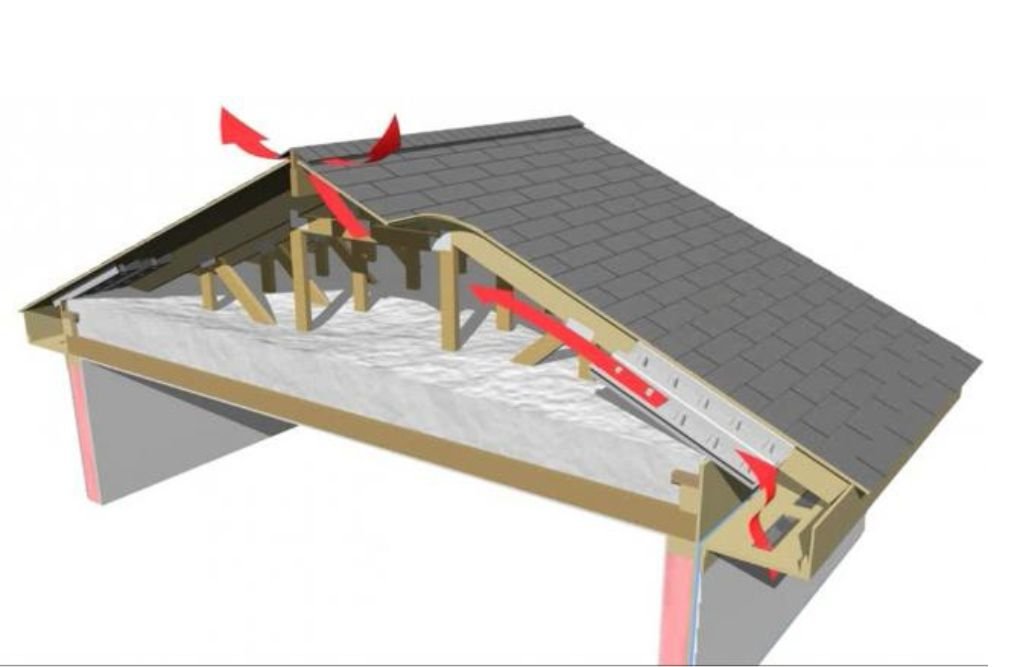
Proper roof ventilation and insulation are essential for maintaining a comfortable indoor environment and preventing moisture-related issues. To ensure your roof’s ventilation and insulation are functioning correctly, you should:
Inspect attic vents and ensure they are free of debris and obstruction
Check for signs of condensation or mold in the attic, which may indicate inadequate ventilation
Verify that insulation is evenly distributed and in good condition, without gaps or compression
Consult with a professional to assess your roof’s ventilation system and make necessary adjustments or improvements
Tree and Vegetation Management
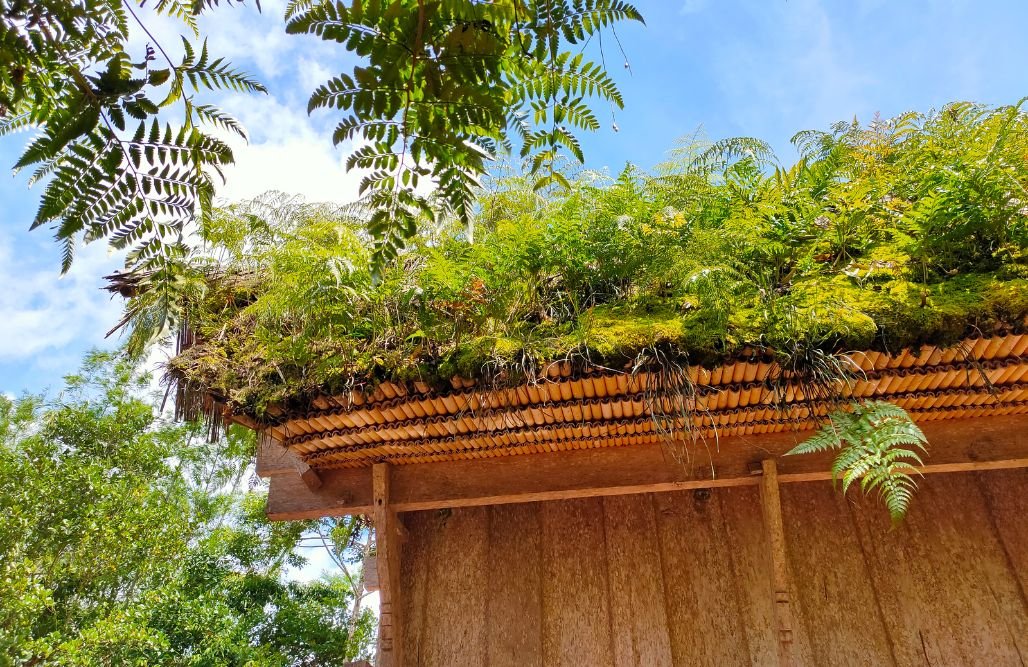
Trees and vegetation near your roof can pose a risk during storms or high winds. Overgrown branches can damage your roof’s surface, while fallen leaves and debris can clog gutters and cause water damage. To manage tree and vegetation risks, you should:
Trim tree branches that overhang or come into contact with your roof
Remove any dead or diseased trees that may pose a threat during severe weather
Keep vegetation away from the roof’s edge to prevent damage and debris accumulation
Regularly remove leaves and debris from the roof surface and gutters
Emergency Roof Repair Plan
Despite your best efforts, emergencies can still occur. Having an emergency roof repair plan in place ensures that you can quickly address any issues and minimize damage. Your emergency plan should include:
Contact information for a reputable roofing contractor who offers emergency repair services
A list of temporary repair materials, such as tarps or roof cement, to address leaks or damage until professional repairs can be made
Regularly updating your home insurance policy to ensure adequate coverage for roof repairs or replacement
Familiarizing yourself with the signs of roof damage and the steps to take in case of an emergency
In conclusion, a comprehensive roof maintenance checklist is crucial for addressing emergency roof repair needs and ensuring the longevity of your property. By conducting regular inspections, maintaining gutters and downspouts, ensuring proper ventilation and insulation, managing trees and vegetation, and having an emergency repair plan in place, you can proactively prevent roof damage and extend the life of your roof.
Proper Installation and Quality Materials
The maintenance of your roof will ensure your property’s longevity as well as protection from the elements. Emergency roof repair needs can be minimized or even avoided by investing in proper installation and quality materials. Using the best materials and methods for roof construction is the focus of this essay which discusses the value of such factors.
Importance of Proper Installation
Proper installation is the foundation of a durable and long-lasting roof. The improper installation of your roof can lead to leaks, water damage, and even structural damage. By investing in professional installation, you can ensure that your roof is:
Installed according to manufacturer specifications and industry best practices
Properly sealed and protected against water infiltration
Structurally sound and able to withstand the weight of snow, ice, and other loads
Ventilated and insulated to prevent moisture-related issues and maintain energy efficiency
Importance of Quality Materials
Investing in quality materials is equally crucial in ensuring the longevity and performance of your roof. It is paramount that roofing materials meet high standards in order to protect against the elements, such as water, wind, and other environmental factors. You can improve the performance of your roof by choosing the right materials:
Reducing the need for roof repairs and replacements by extending the lifespan of your roof
Improve the overall appearance and curb appeal of your property
Minimize the risk of leaks, water damage, and other roofing emergencies
Selecting the Right Roofing Materials
There are several factors to keep in mind when selecting roofing materials, including:
Long Lasting Materials
Opt for materials with a proven track record of longevity and resistance to wear and tear.
Residence Curb Appeal
Select materials that complement the architectural style and appearance of your property.
Project Budget
Consider the initial cost of materials, as well as the long-term expenses associated with maintenance and repairs.
Some popular roofing materials include asphalt shingles, metal roofing, clay or concrete tiles, and slate. Research and consult with a professional to determine which material offers the best blend of durability, aesthetics, and cost.
Choosing a Reputable Roofing Contractor
The quality of your roof installation is heavily dependent on the expertise and professionalism of your roofing contractor. When selecting a contractor, take the time to:
Research and compare multiple contractors in your area
Check for proper licensing, insurance, and certifications
Read reviews and ask for references from previous clients
Request detailed estimates and compare the scope of work, materials, and pricing
Hiring a qualified contractor will ensure that your roof is installed correctly with superior materials, reducing the risk of future problems.
Regular Maintenance and Inspections
Even with proper installation and quality materials, it’s essential to conduct regular maintenance and inspections to keep your roof in optimal condition. By investing in preventative care, you can identify and address potential issues before they escalate into emergencies. Some key maintenance tasks include:
Cleaning gutters and downspouts to prevent clogs and water damage
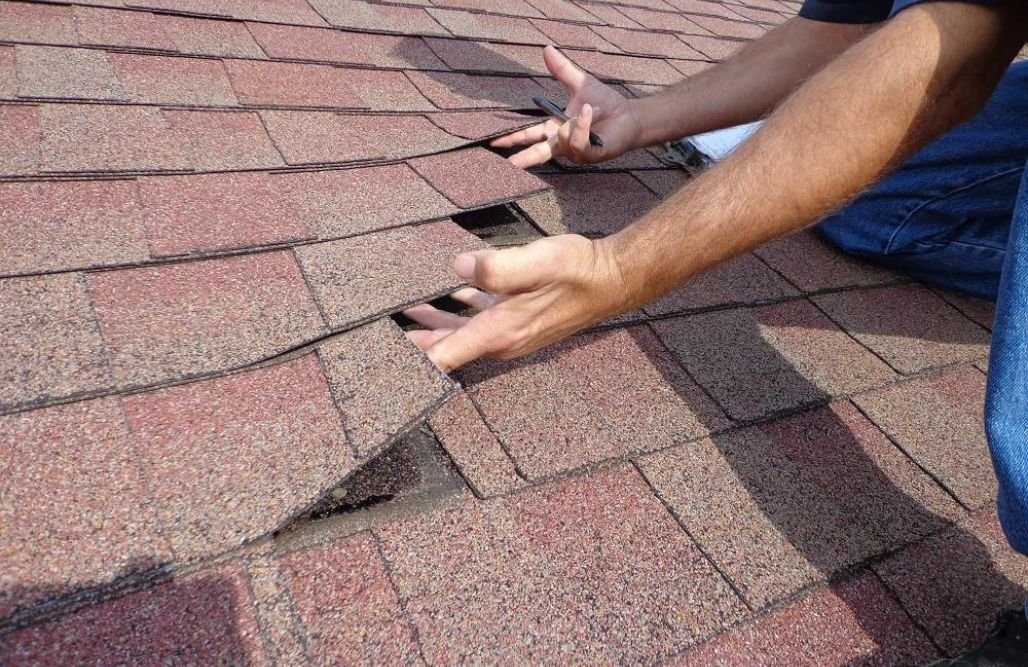
Inspecting for signs of wear, damage, or aging, such as cracked or missing shingles
Checking roof flashings and sealants for deterioration or leaks
Ensuring proper attic ventilation and insulation to prevent moisture-related issues
In conclusion, addressing emergency roof repair needs begins with proper installation and quality materials. Investing in these critical elements ensures the longevity and performance of your roof cover, protecting your property from the weather elements and minimizing the risk of costly repairs in the foreseeable future. Regular maintenance and inspections are also essential in maintaining a healthy roof and preventing emergencies, making them a critical component of any roofing strategy.
Addressing Minor Issues Before They Escalate
Roof maintenance is a critical aspect of property management, as it ensures the structural integrity and longevity of your building. One of the most effective strategies for minimizing emergency roof repair needs is to address minor issues before they escalate into more significant problems. This essay will discuss the importance of proactive maintenance, outline common minor roofing issues, and provide guidance on how to address these issues before they become emergencies.
The Importance of Proactive Maintenance
Proactive maintenance is the practice of regularly inspecting and maintaining your roof to identify and address potential issues before they become more severe. This approach has several key benefits, including:
Extending the lifespan of your roof by preventing premature wear and damage
Reducing the likelihood of costly emergency repairs or roof replacement
Maintaining the aesthetic appeal and overall value of your property
Improving the energy efficiency of your building by ensuring proper insulation and ventilation
Protect your property and save money by investing in proactive maintenance instead of expensive emergency repairs by investing in proactive maintenance.
Common Minor Roofing Issues
There are several common minor roofing issues that, if left unaddressed, can escalate into more significant problems. Some of these issues include:
Damaged or Missing Shingles
Over time, shingles can become cracked, curled, or even fall off entirely due to weather exposure or aging. Damaged or missing shingles can leave your roof vulnerable to water infiltration and damage.
Clogged Gutters and Downspouts
Debris buildup in gutters and downspouts can cause water to overflow and damage your roof, fascia, and foundation. Regular cleaning and maintenance can prevent these issues.
Damaged Flashing
Flashing is used to seal and protect roof penetrations, such as vents and chimneys. Damaged or deteriorated flashing can lead to leaks and water damage.
Insufficient ventilation and insulation in the attic: Condensation, mold, and ice dams can occur as a result of inadequate ventilation and insulation, damaging your roof and reducing its lifespan.
Addressing Minor Issues Before They Escalate
To prevent minor issues from becoming emergency roof repair problems, it is essential to implement a proactive maintenance plan. This plan should include the following steps:
Regular Inspections
Conduct thorough roof inspections at least twice a year, ideally during the spring and fall seasons. Additionally, inspect your roof after significant weather events, such as storms or heavy snowfall.
Prompt Repairs
Address any identified issues as soon as possible. For example, replace damaged or missing shingles, repair damaged flashing, and clean clogged gutters and downspouts.
Professional Assistance
Consult with a reputable roofing contractor to assess your roof’s condition and recommend appropriate maintenance and repair actions. Roofers are also capable of identifying potential unseen problems that are not obvious to the untrained eye.
Preventative Measures
Implement preventative measures to reduce the likelihood of future issues. For example, trim overhanging tree branches to prevent debris buildup and damage, and install gutter guards to minimize clogging.
Monitor Attic Ventilation and Insulation
Regularly check your attic for signs of condensation or mold, which may indicate inadequate ventilation or insulation. Consult with a professional to address any issues and improve your roof’s overall performance.
The Benefits of Addressing Minor Issues
By addressing minor issues before they escalate, you can enjoy several benefits, including:
Cost Savings
Proactive maintenance and timely repairs can save you money in the long run by preventing costly emergency repairs or premature roof replacement.
Peace of mind: Knowing that your roof is in good condition and properly maintained can provide peace of mind and protect your investment.
Energy Efficiency
With proper ventilation and insulation, a well-maintained roof reduces winter and summer heat gain and loss and can reduce energy bills.
Taking care of minor issues before they escalate to become emergency roof repair problems is an essential aspect of maintaining a healthy and durable roof. A proactive maintenance plan that will protect your property, save you money, and ensure a well-maintained roof, includes:
- Regular inspections
- Prompt repairs
- Professional assistance
- Preventative measures
- Monitoring attic ventilation and insulation.
- Importance of timely emergency roof repairs
Key Takeaways
Timely emergency roof repairs are crucial for maintaining the structural integrity and longevity of your property. Addressing roof issues promptly can prevent further damage, save money, and protect your investment. Here are the key takeaways on the importance of timely emergency roof repairs:
Preventing Further Damage
Promptly addressing roof issues can prevent water infiltration, mold growth, and structural damage that may result from unattended problems.
Cost Savings
Timely repairs can save you money in the long run by avoiding more extensive and costly repairs or premature roof replacement.
Maintaining Property Value
A well-maintained roof contributes to the overall value and curb appeal of your property, making it more attractive to potential buyers.
Energy Efficiency
Addressing roof issues promptly can help maintain proper insulation and ventilation, improving energy efficiency and reducing heating and cooling costs.
Safety and Health
Timely roof repairs can prevent potential health hazards, such as mold growth, and reduce the risk of accidents caused by structural damage or falling debris.
Proactive Maintenance
Regular roof inspections and maintenance can help identify and address minor issues before they escalate into emergencies, further emphasizing the importance of timely repairs.
Professional Assistance
Working with a reputable roofing contractor can ensure that emergency repairs are carried out promptly and effectively, minimizing the risk of future issues.
Benefits of Hiring Professional Services
Hiring professional services for emergency roof repairs is essential for ensuring the longevity and structural integrity of your property. To address roof issues efficiently and effectively, roofing contractors possess the necessary knowledge, skills, and experience. Here are the key takeaways on the benefits of hiring professional services for emergency roof repairs:
Expertise and Experience
Professional roofing contractors have the necessary expertise and experience to diagnose and repair roof issues accurately, ensuring long-lasting solutions and preventing future problems.
Quality Workmanship
Hiring professional services guarantees high-quality workmanship, adhering to industry standards and best practices, which can prolong the lifespan of your roof.
Roof Safety
Roof repairs can be hazardous, especially during emergencies. A professional roofing contractor has the right training, equipment, and safety measures in place to avoid accidents and minimize risks.
Time and Cost Efficiency
Hiring professional services can save you time and money by addressing roof issues promptly and effectively, avoiding more extensive and costly repairs in the future.
Warranty and Insurance
The expertise and certification of a professional roofing contractor will give you peace of mind and protection during the repair process. Additionally, they may offer warranties for their work, ensuring long-term protection and support.
Availability of Quality Materials
It is crucial to hire roofing professionals who have access to high-quality materials and have the experience to suggest the most suitable products for your specific needs. Such materials must be durable and long-lasting for roof repairs.
Preventative Maintenance Advice
Hiring professional services for emergency roof repairs can also provide you with valuable insights and recommendations for proactive maintenance, helping you prevent future emergencies and prolong the life of your roof.
Hiring professional services for emergency roof repairs offers numerous benefits, including:
-
Expertise
-
Quality Workmanship
-
Safety
-
Time and Cost Efficiency
-
Warranty and Insurance
-
Access to Quality Materials
-
Preventative Maintenance Advice
The benefits of investing in professional roofing services include:
-
Protecting your property
-
Saving money
-
Ensuring long-term durability
Emergency roof repairs are crucial for maintaining the structural integrity, longevity, and overall value of your property. Addressing roof issues promptly and effectively can prevent further damage, save money, and protect your investment. Key aspects to consider in managing emergency roof repairs include the importance of timely repairs, proactive maintenance, and hiring professional services.
Timely emergency roof repairs are essential for preventing further damage, maintaining property value, improving energy efficiency, and ensuring safety and health. Regular roof inspections and proactive maintenance can help identify and address minor issues before they escalate into emergencies, further emphasizing the importance of timely repairs.
Hiring professional services for emergency roof repairs offers numerous benefits, such as expertise and experience, quality workmanship, safety, time and cost efficiency, warranty, and insurance, access to quality materials, and preventative maintenance advice. Investing in professional roofing services will ensure your roof’s long-term durability and performance.
In conclusion, managing emergency roof repairs effectively requires a combination of timely repairs, proactive maintenance, and hiring professional services. By addressing roof issues promptly and investing in the right resources, you can protect your property, save money, and maintain the overall health and longevity of your roof.